Tag: Supermakro
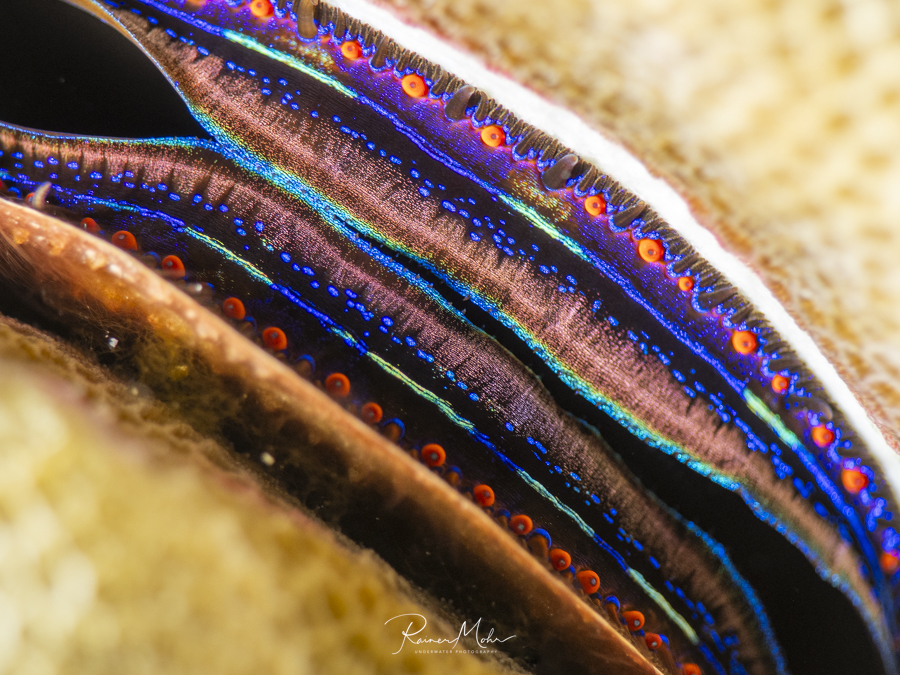
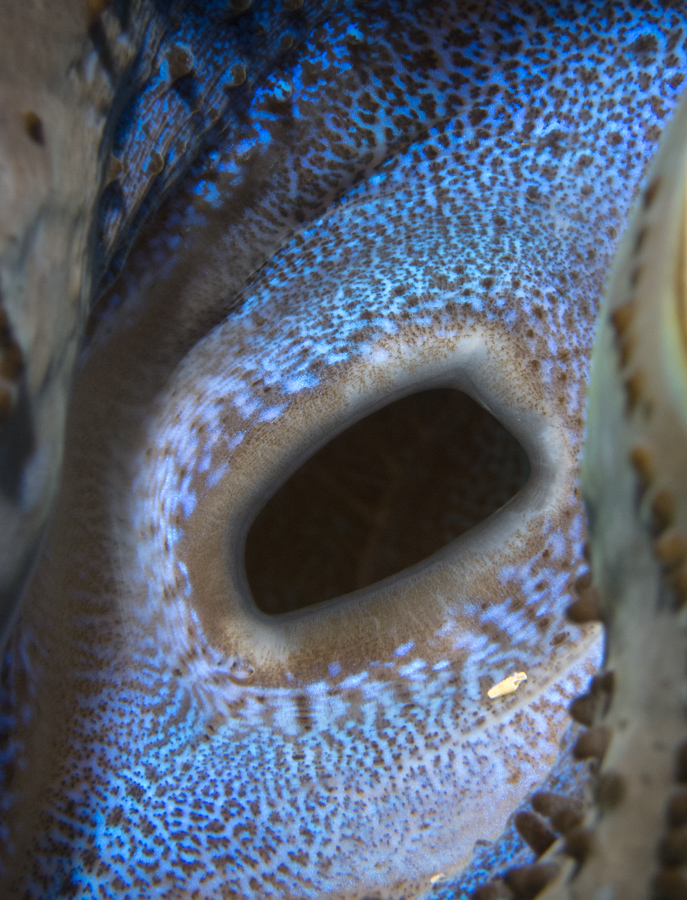
Super-macro of a bivalve (Pedum spondyloideum) embedded in a pore coral, with fascinating iridescent patterns in blue, violet and orange.
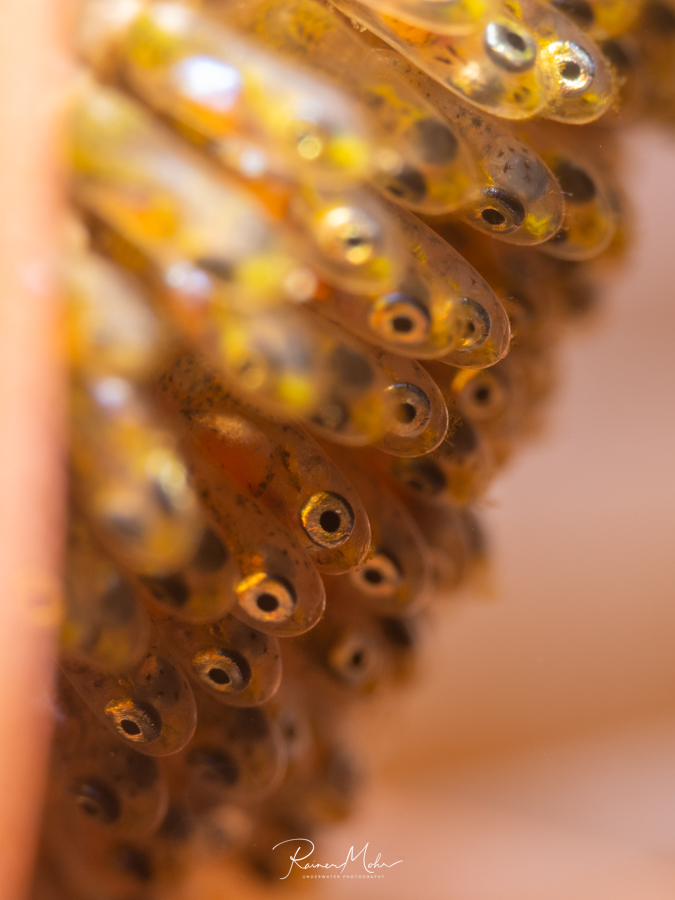
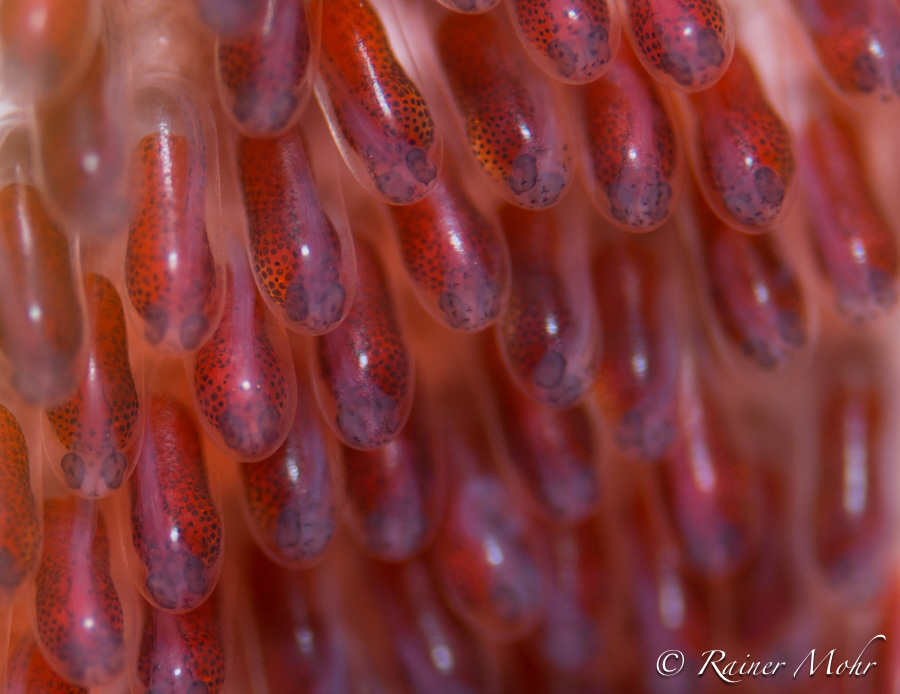
Super-macro of anemonefish eggs about to hatch. The eyes of the embryos are clearly visible inside the transparent egg casings.
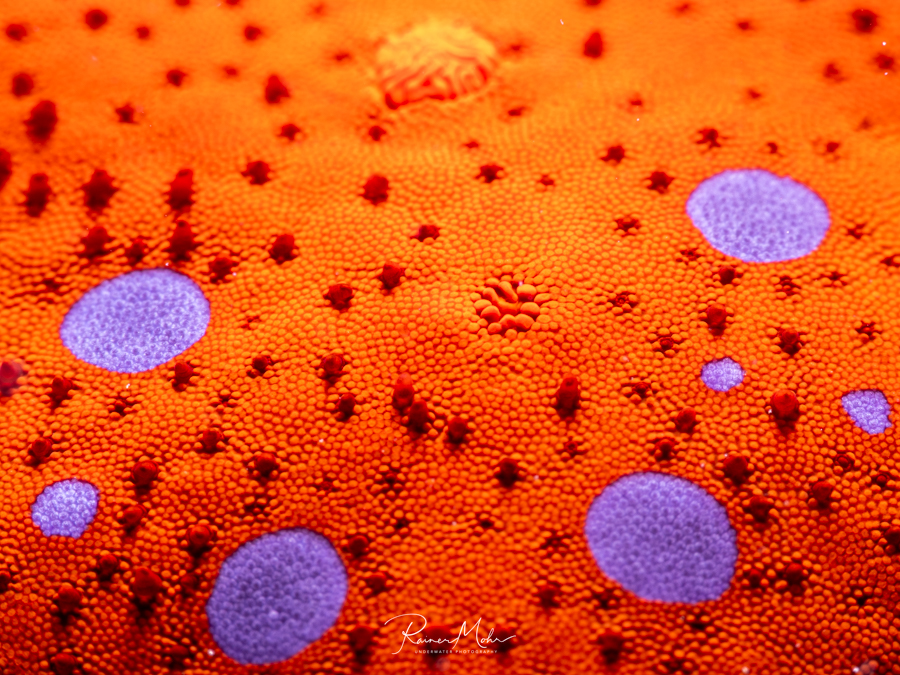
Super-macro of the surface of a sea star with vivid orange skin, violet patches and finely structured granulation.
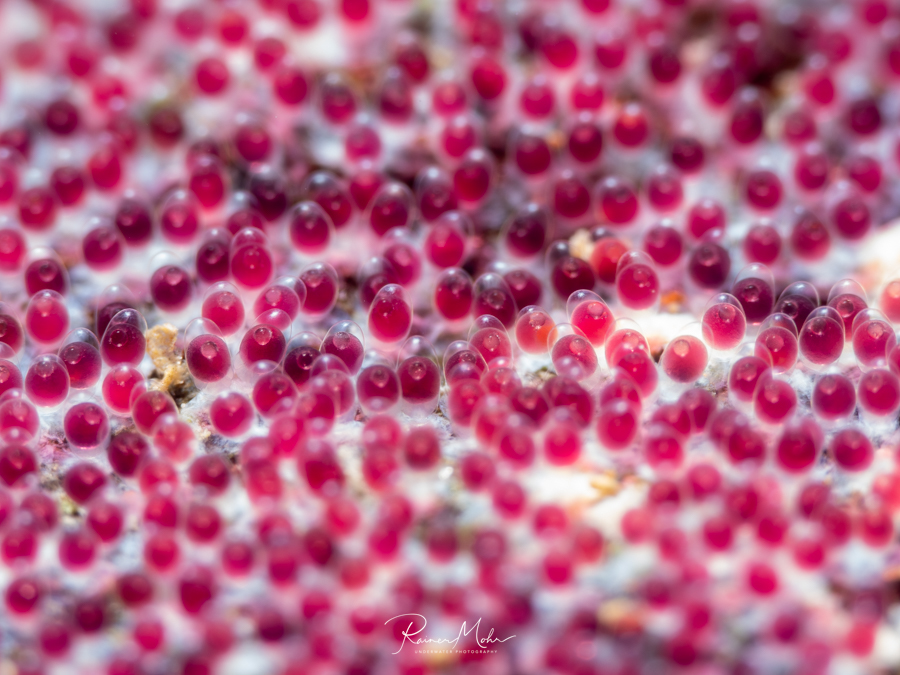
Super-macro of a fish egg mass with ruby-red eggs at an early stage of development.
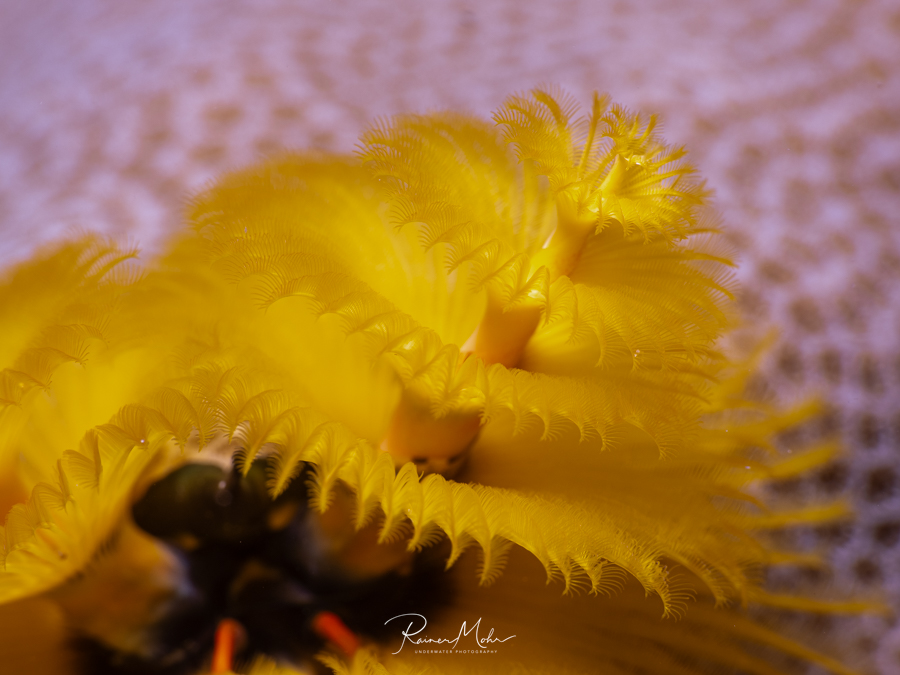
Super-macro of a vivid yellow Christmas tree worm with its finely feathered filter fans on a stony coral.
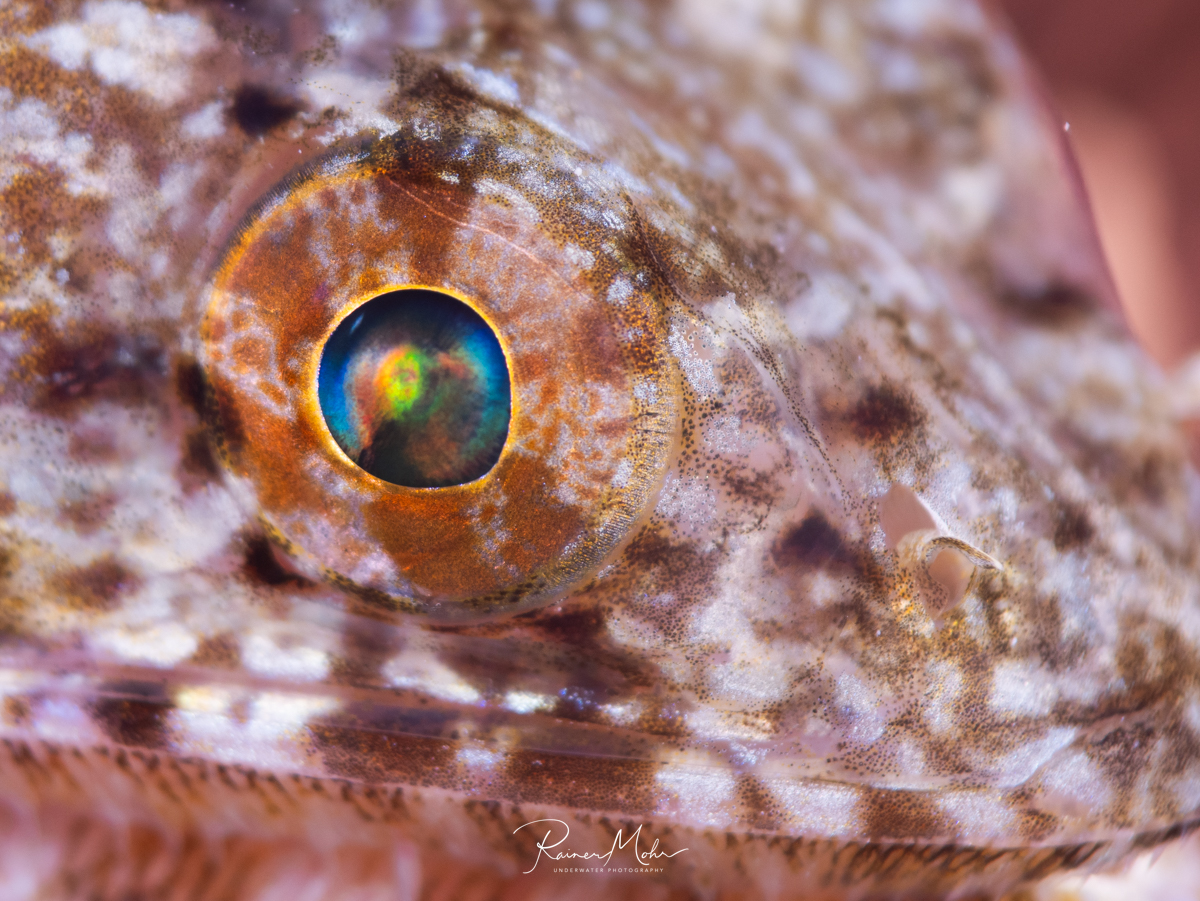
Super-macro shot of the eye of a lizardfish with iridescent rainbow colours in the iris and the characteristic patterned skin.
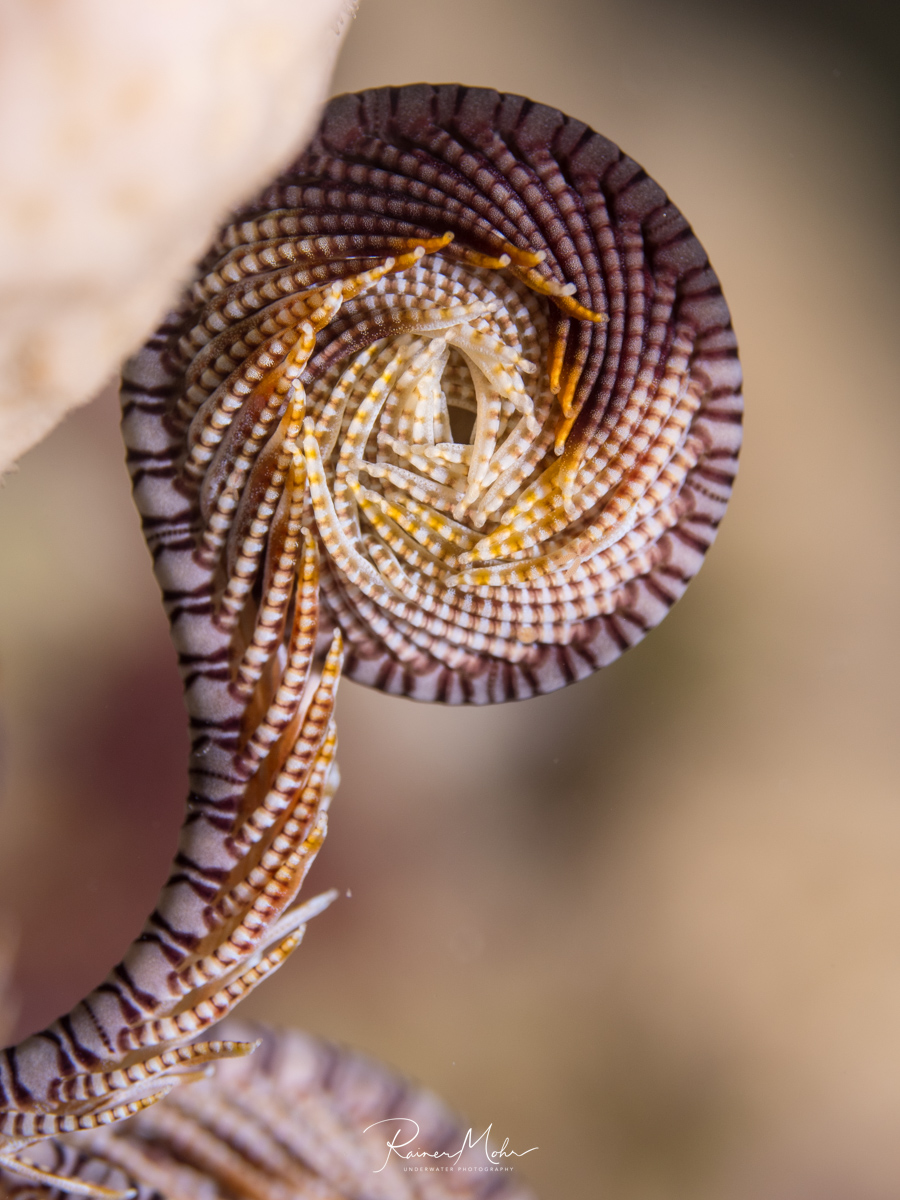
Super-macro shot of a coiled feather star arm (Crinoidea). The finely articulated arms with alternating brown and white segments form a fascinating spiral structure.
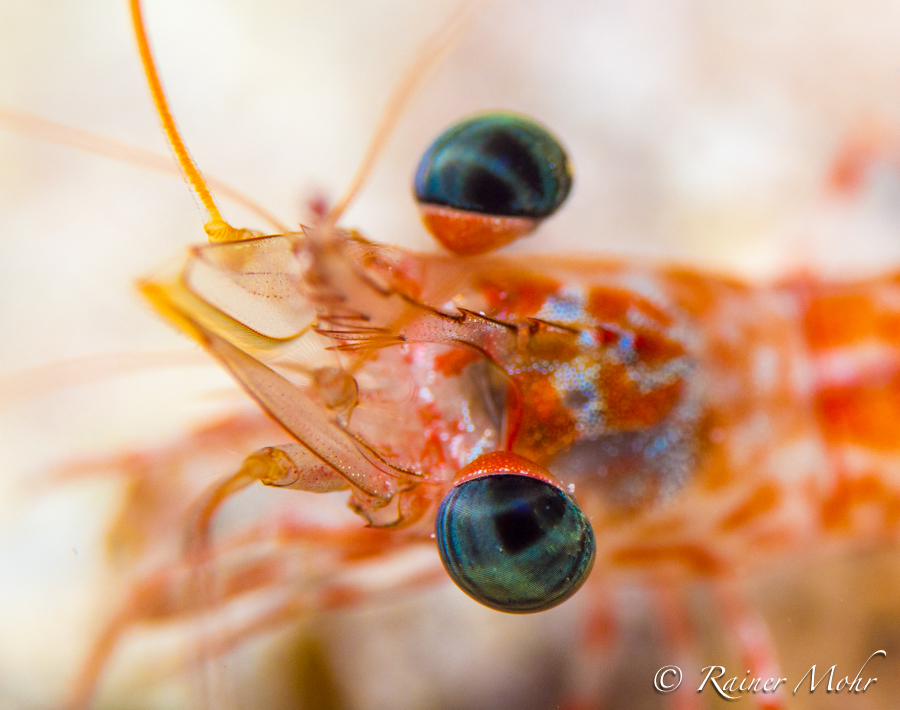
Super-macro shot of the eye of a hinge-beak shrimp (Rhynchocinetes durbanensis). The spherical compound eye shimmers greenish; the red body with white spots is visible in the background.
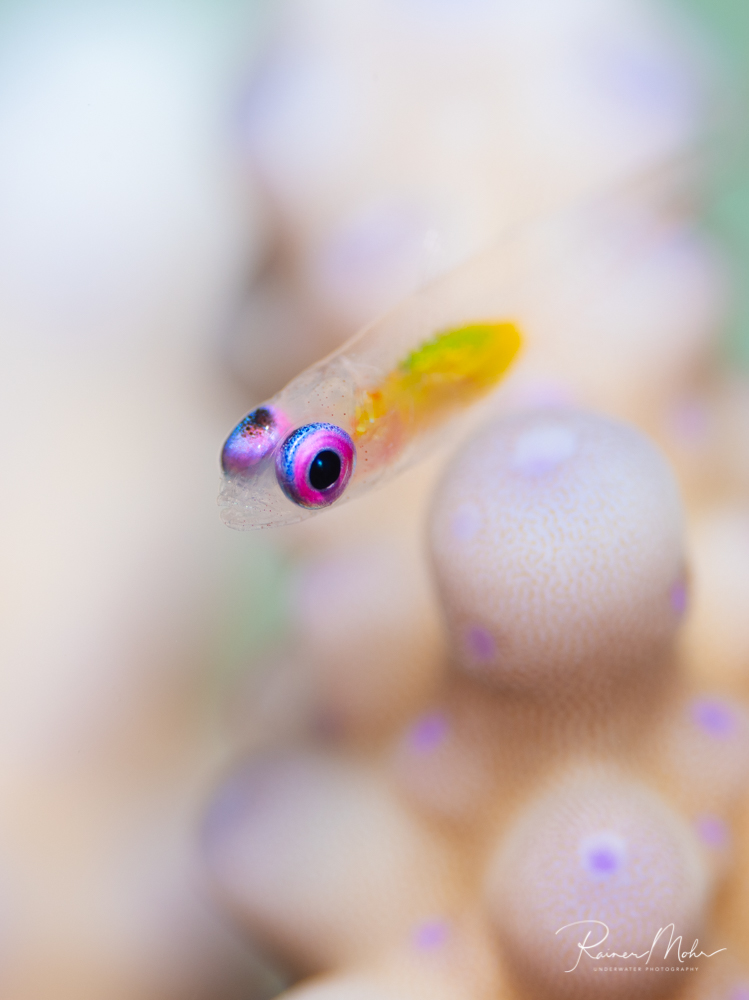
Super-macro shot of a pink-eye goby (Bryaninops natans) on a hard coral. The transparent body with the vivid pink-violet eyes and yellow belly is a fascinating sight.
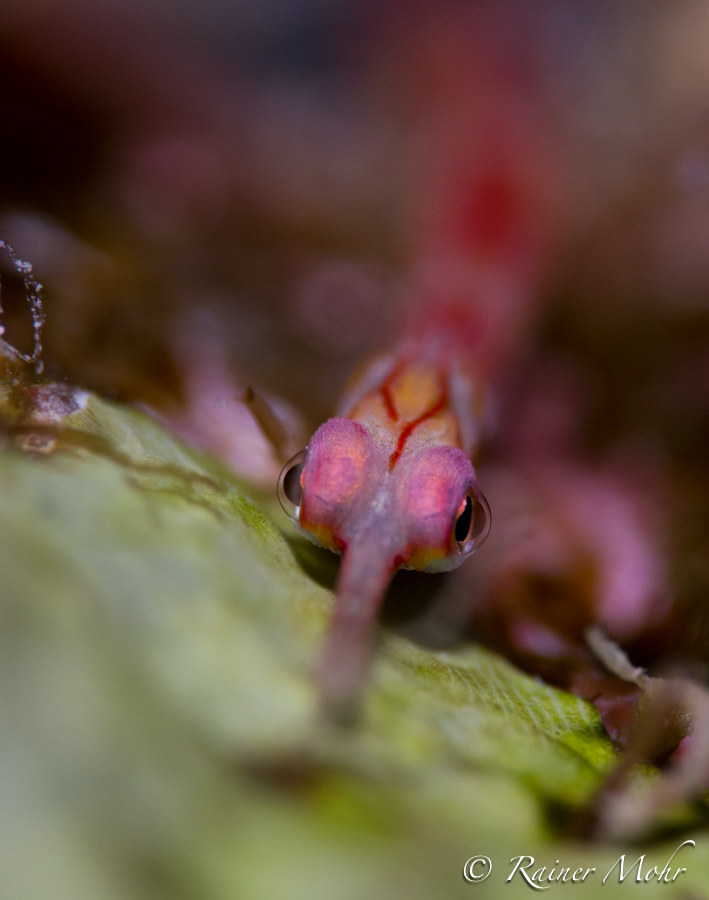
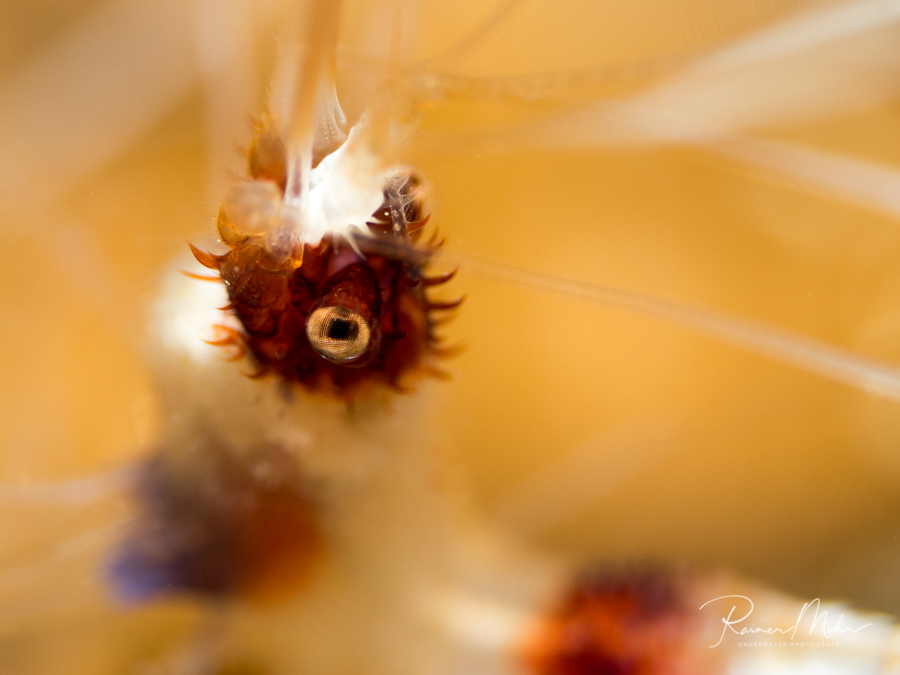
A tiny pipefish in portrait. The macro shot clearly shows the fine details of the small marine animal with its transparent to pinkish skin.
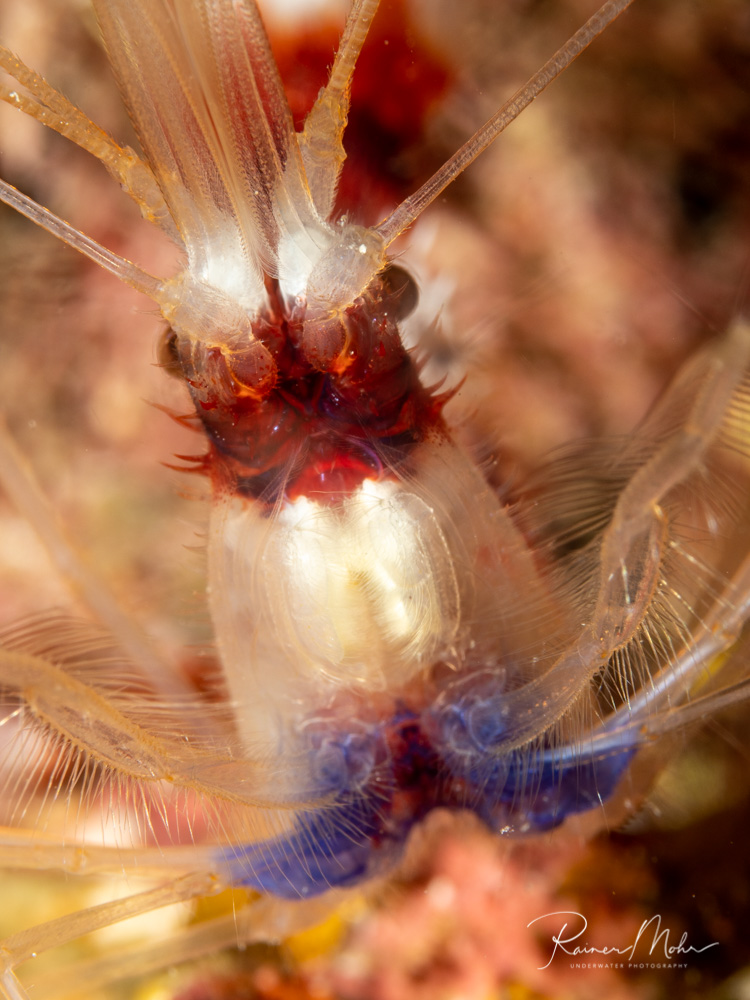
Super-macro shot of a cleaner shrimp. The transparent animal shows fine details of the mouthparts, antennae and the translucent body with blue and red colour tones.
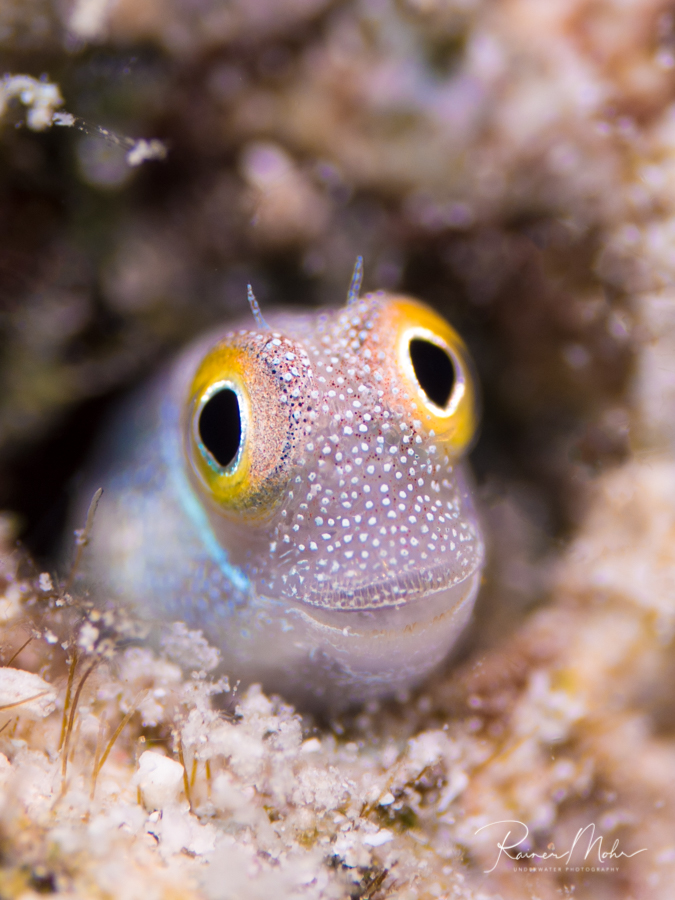
A blenny peers curiously out of its hole in the reef. The oversized eyes with yellow rims and the spotted face make this super-macro shot particularly charming.
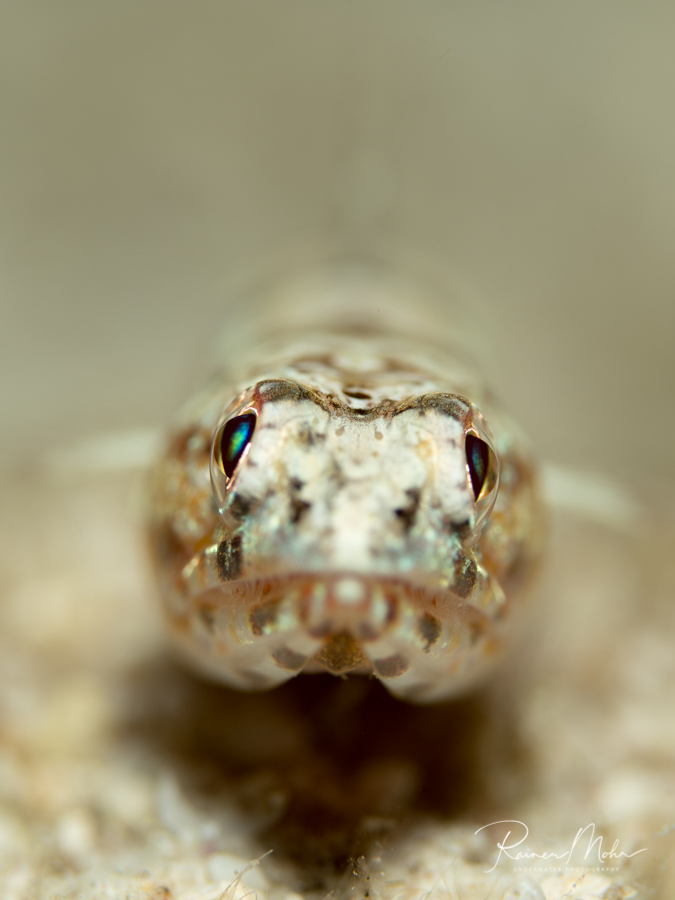
Extreme frontal shot of a lizardfish on the sandy floor. The iridescent eyes and the detailed head structure are perfectly captured in this super-macro shot.
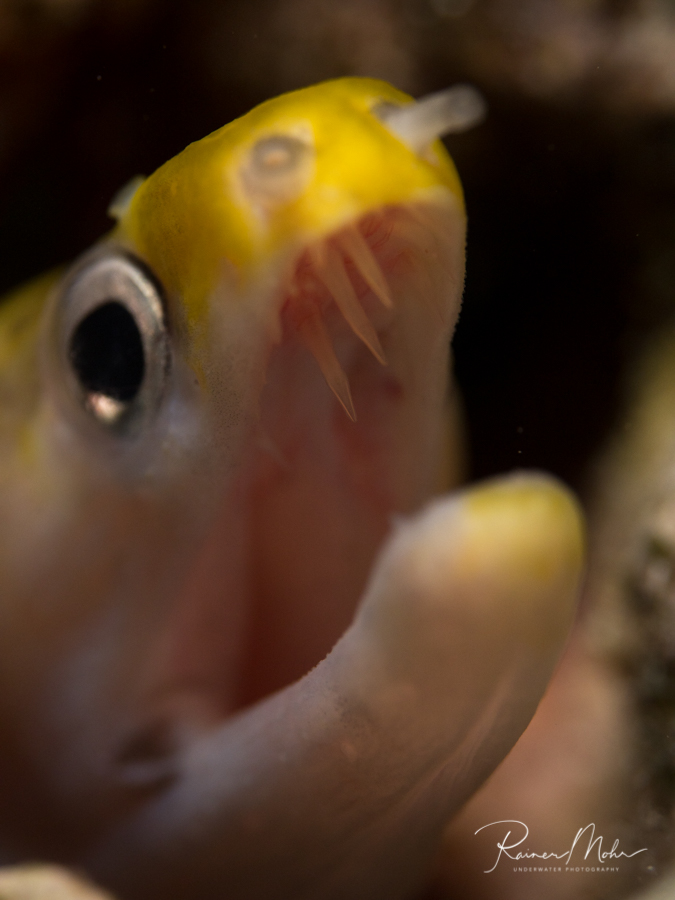
Super-macro portrait of a small yellow-headed moray eel with its mouth wide open.
Super-macro shot of the head of a banded cleaner shrimp. The eye and fine details are clearly recognisable.
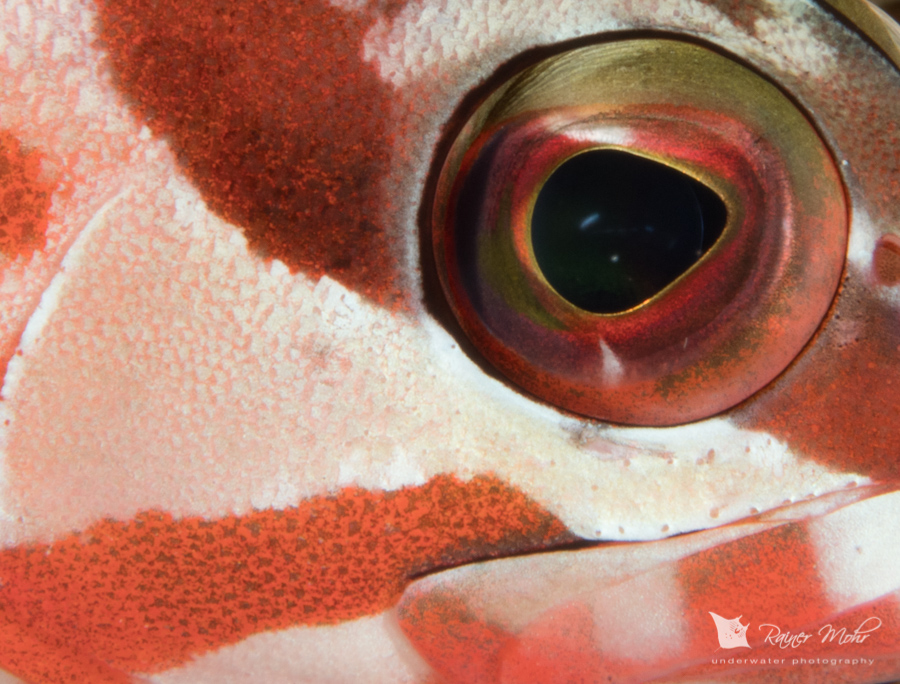
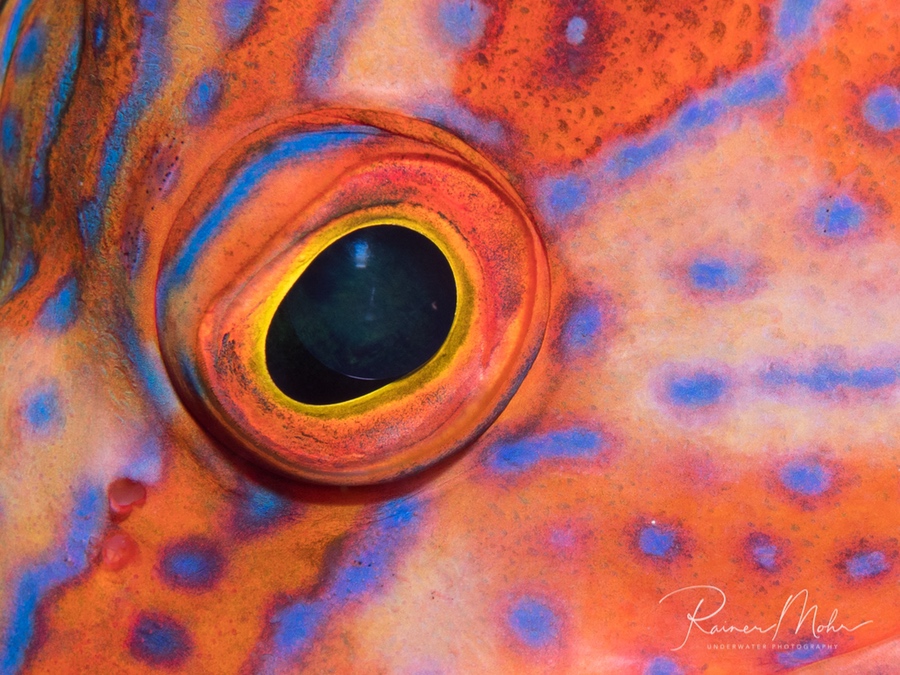
An extreme close-up of the eye of a grouper shows the impressive iris with its green-reddish tones and characteristic pupil. The detailed macro shot reveals the fine skin texture with the typical red-and-white stripes and spot patterns of the lionfish.
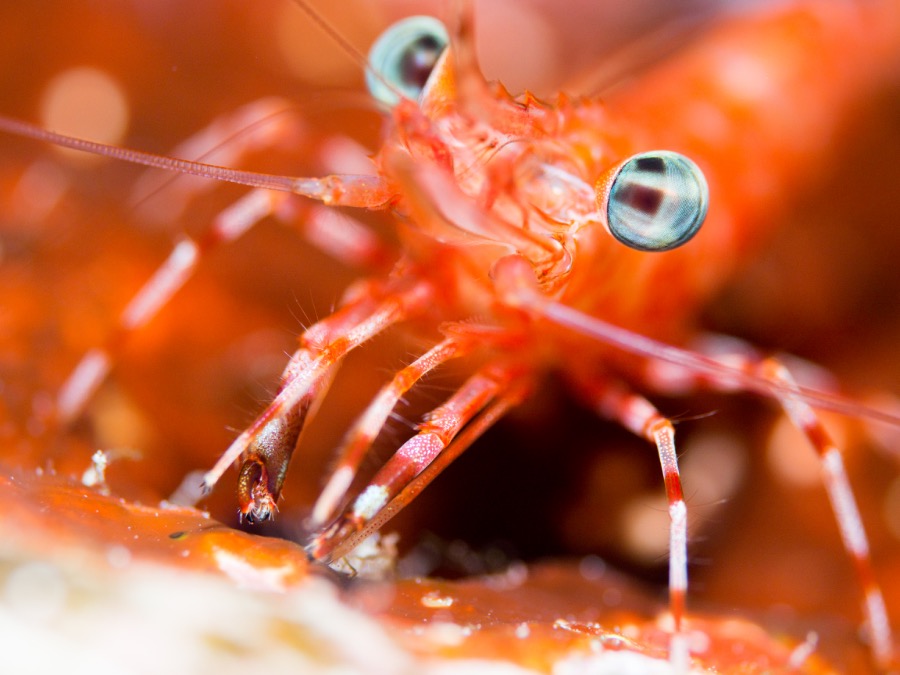
A vivid orange-red shrimp with striking turquoise eyes and long antennae in extreme close-up. The macro shot reveals the fine details of the shrimp with its transparent to reddish colouring and characteristic bulging eyes.
An extreme macro shot shows the delicate, transparent eggs of an anemonefish clutch. The eggs are approximately the size of a grain of rice.
The image shows the interior of a giant clam (Tridacna). The opening in the centre is the siphon, which is used for filtering water and feeding.
A colourful shrimp with striking large dark eyes and a transparent body with orange and reddish markings. The shrimp displays its characteristic long antennae and is seen in a typical pose with outstretched legs.
Extreme close-up of the eye of a jewel grouper. The vivid orange-red skin with characteristic blue spots and the detailed iris are impressively captured in this super-macro shot.
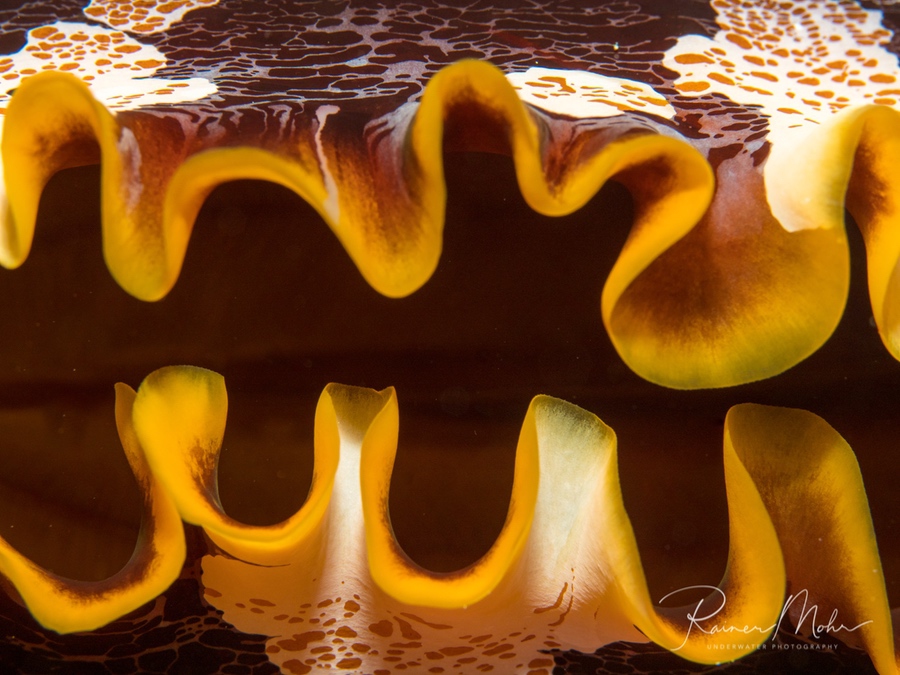
Super-macro shot of the undulating mantle edge of a clam. The vivid yellow-orange, wave-folded edges contrast impressively with the dark brown pattern of the shell.
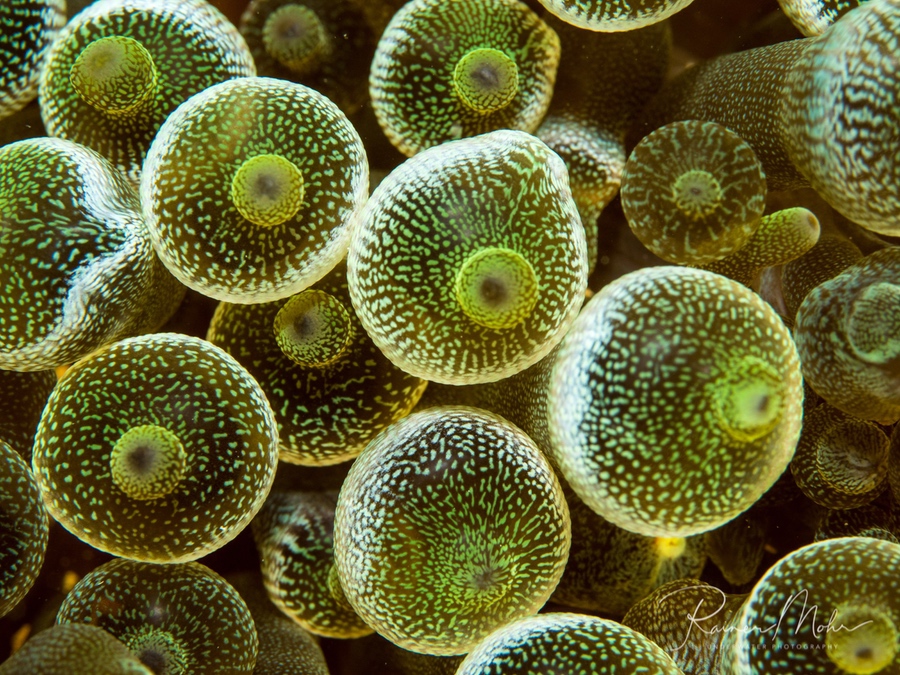
Macro shot of the spherical tentacle tips of a bubble anemone. The green-brown bubbles with fine white dot patterns and darker centres form a fascinating pattern.
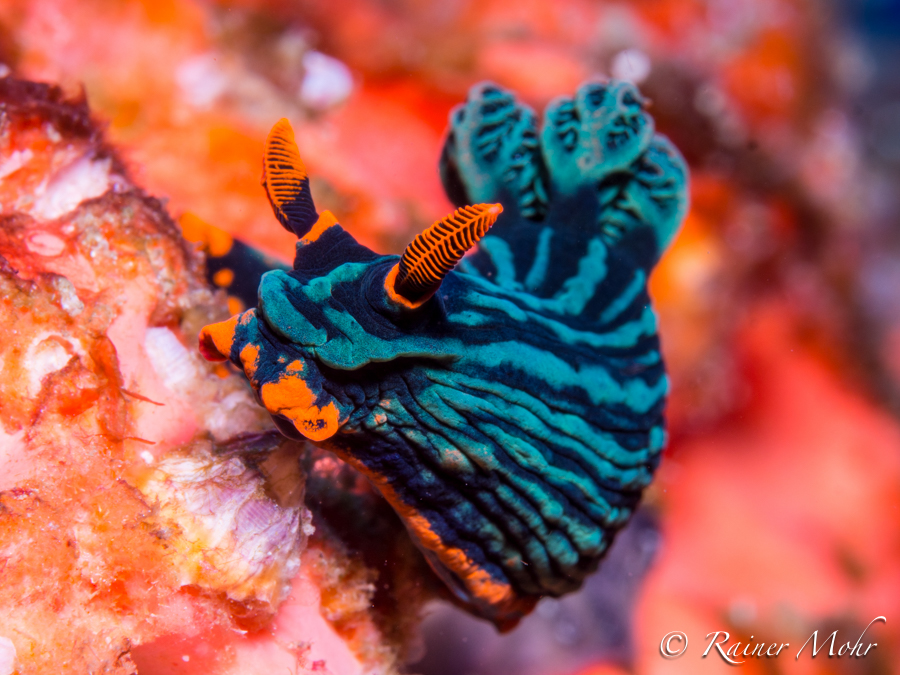
A magnificent Nembrotha nudibranch with characteristic turquoise-blue gills and orange-and-black rhinophores crawls over orange sponges. The sea slug displays its typical folded dorsal appendages in vivid blue and black tones.
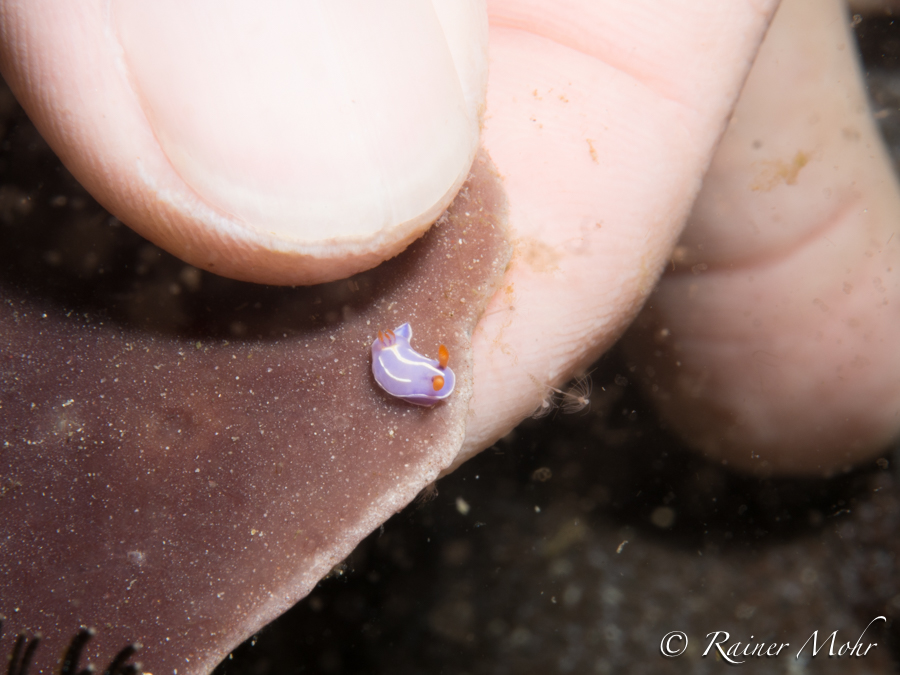
A tiny violet nudibranch with orange projections sits on a pale sponge or coral. The delicate nudibranch displays its characteristic cerata and is a perfect example of the fascinating microfauna of the reefs. A human thumb is included for scale.
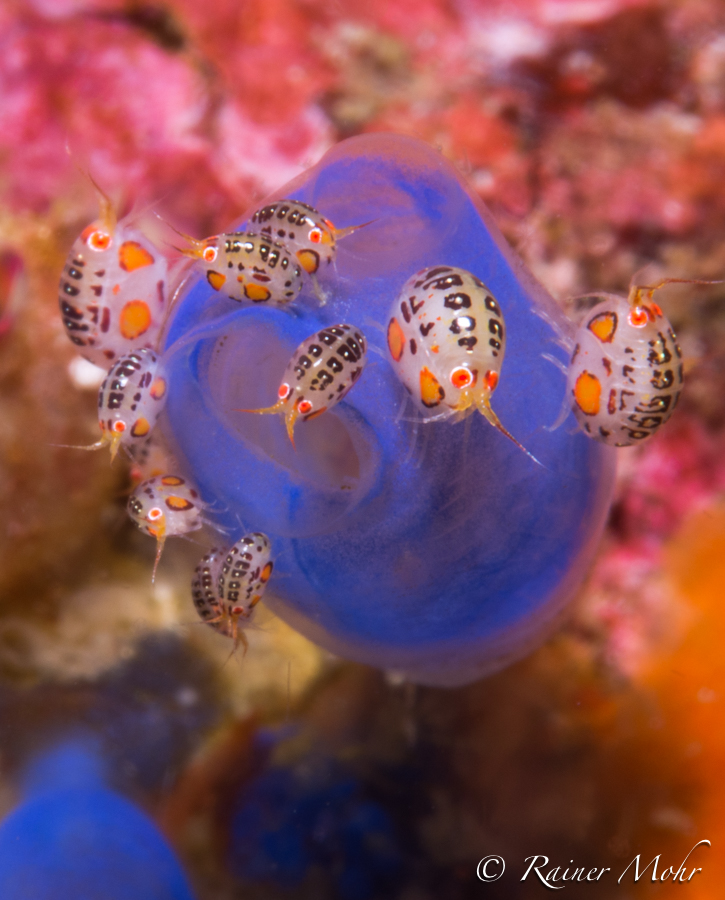
A blue sea squirt is inhabited by several small amphipods with characteristic black spots and orange patches. The tiny crustaceans with their red eyes use the interior of the sea squirt for protection, presenting a fascinating example of symbiosis in the coral reef.
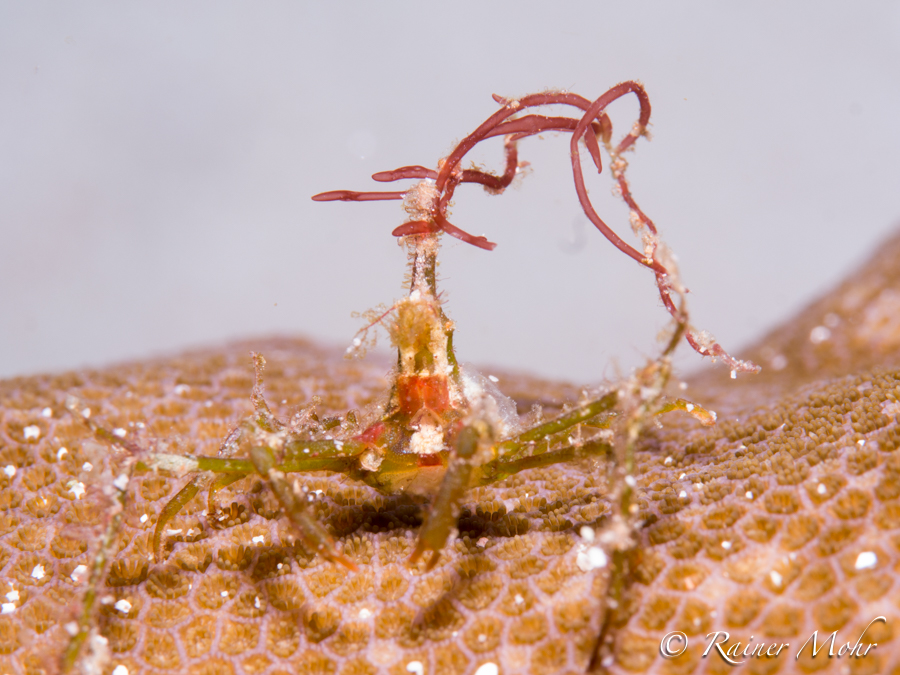
The image shows a common spider crab (Macropodia rostrata) on a sponge. This crab species is known for its extreme camouflage ability and often decorates itself with algae or sponges to resemble seagrass.
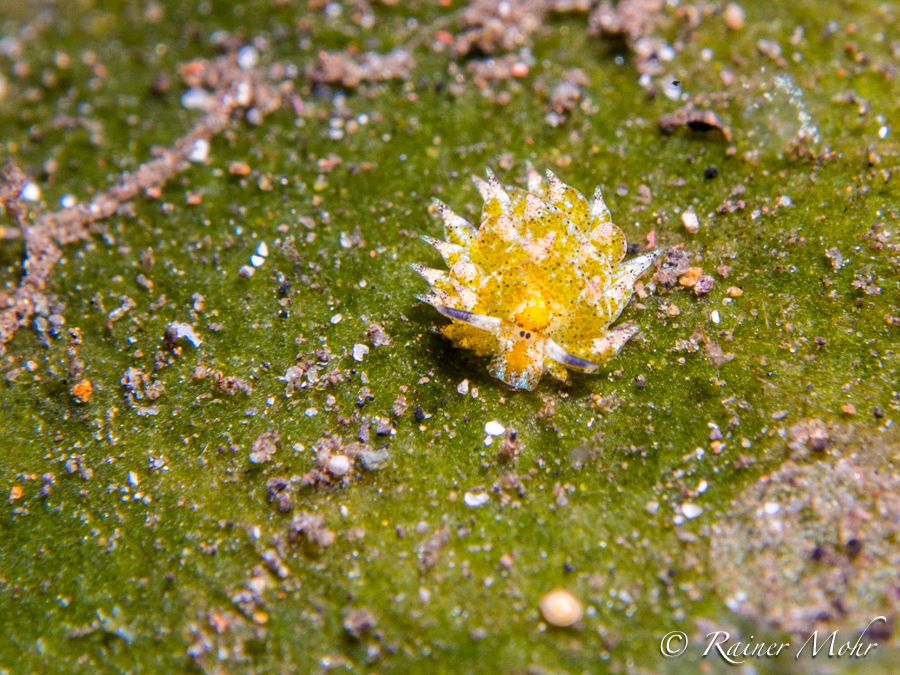
The image shows Costasiella kuroshimae, a tiny sea slug species also known as the "leaf sheep". They grow to only about one centimetre and have structures called cerata on their backs that give them a leaf-like appearance.
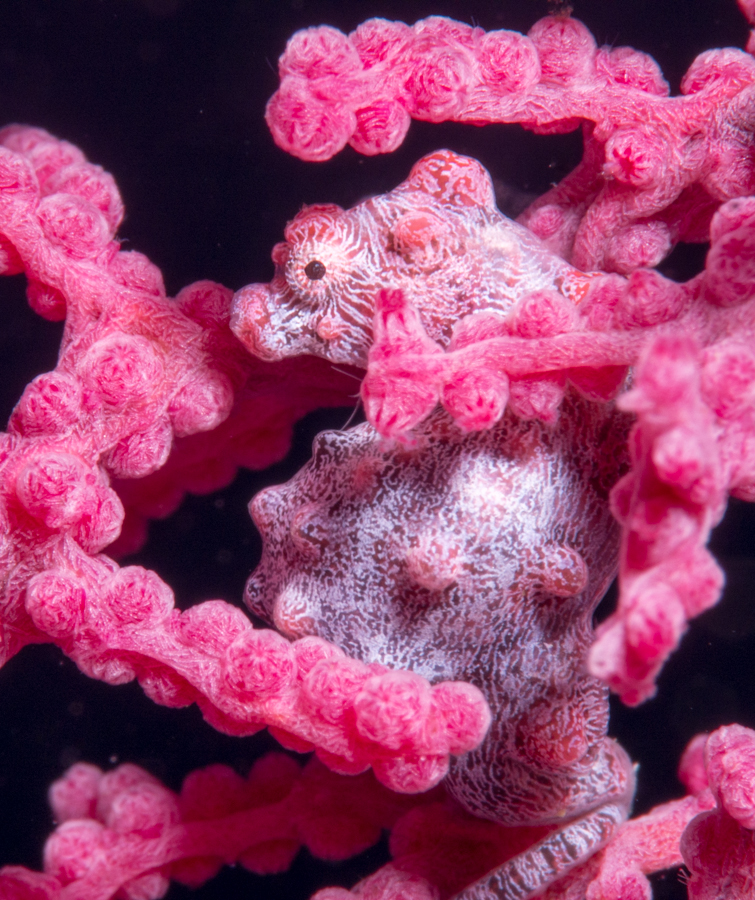
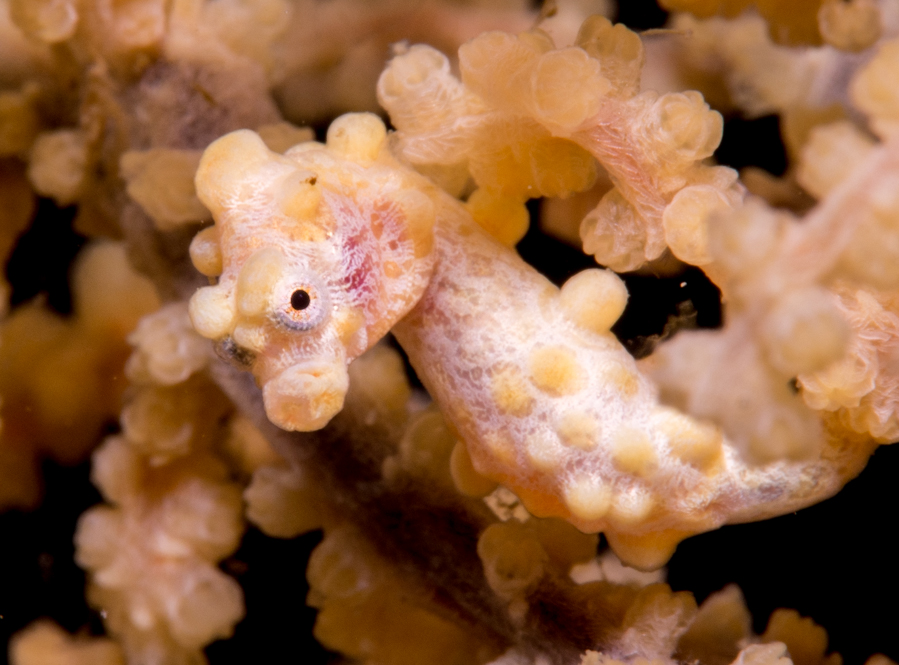
A dwarf seahorse hides perfectly camouflaged among the pink polyps of a soft coral. The tiny seahorse shows a remarkable adaptation to its surroundings and demonstrates its ability to blend into the coral structure.
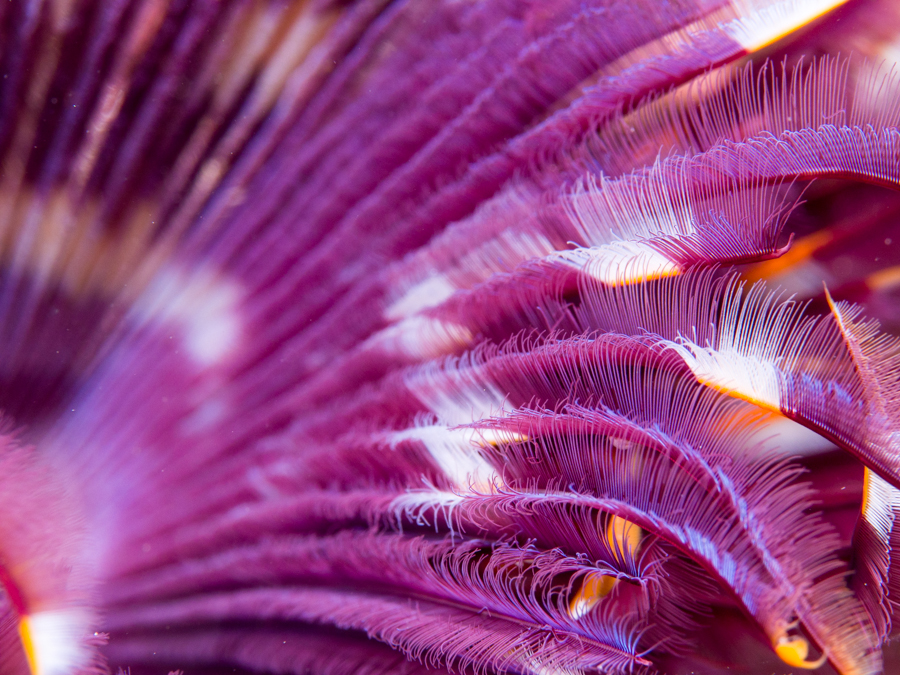
An impressive macro shot shows the tentacles of a calcareous tube worm (Serpulidae). The fine, feathery structures serve to filter food particles from the water. The worms live permanently fixed in calcareous tubes that they produce themselves.
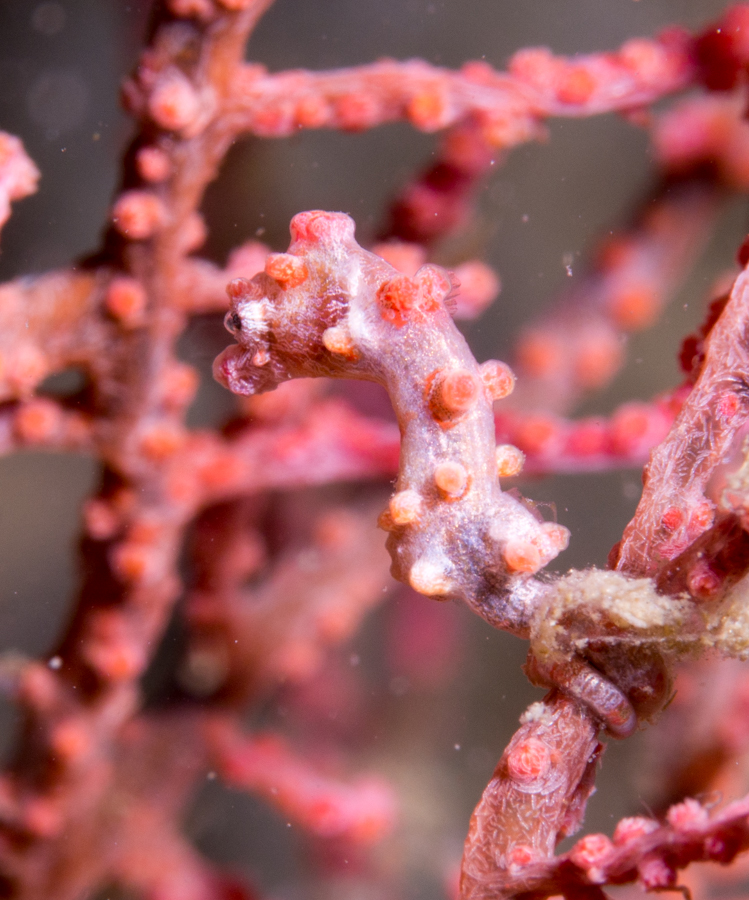
A pygmy seahorse hides perfectly camouflaged among the polyps of a soft coral. The pink-orange colouration and warty skin protrusions of the tiny seahorse adapt ideally to its coral habitat, making it nearly invisible.
A tiny pygmy seahorse sits perfectly camouflaged on a red coral branch. The animal, only a few centimetres long, shows an impressive adaptation to its surroundings with skin-like protrusions and a reddish colouration that makes it nearly invisible.
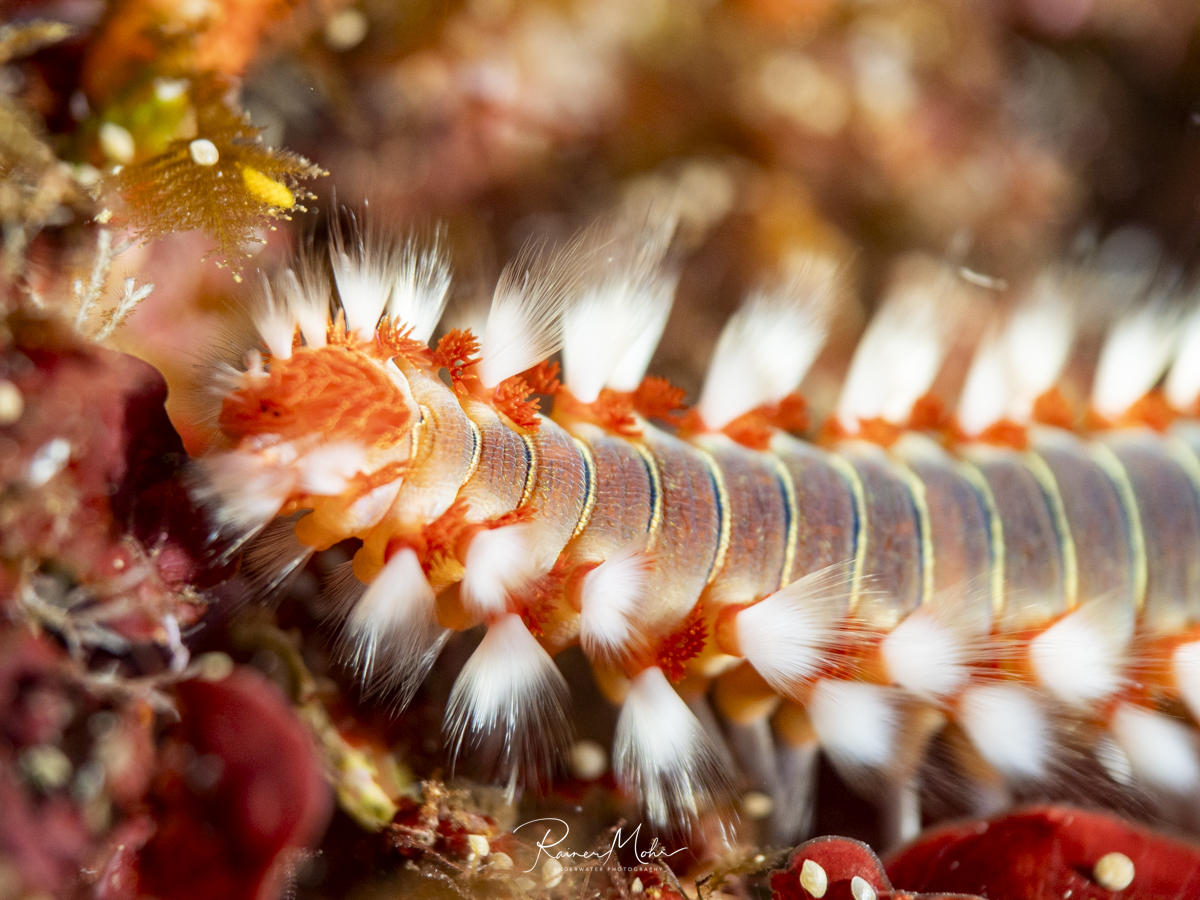
A fireworm in a super-macro shot in the Mediterranean (Gozo).
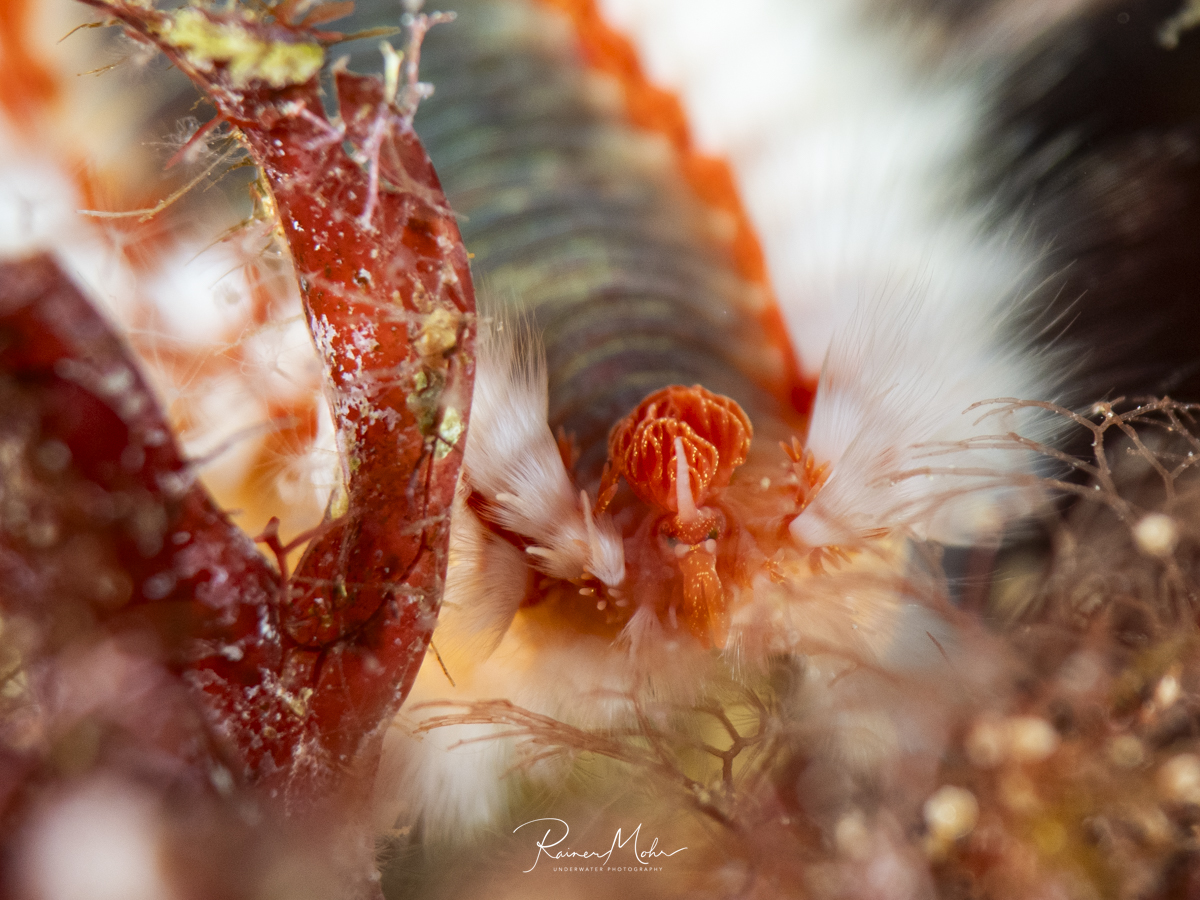
Super-macro shot of the face of a fireworm. The delicate structures of the animal are impressively visible.