Tag: Seafloor

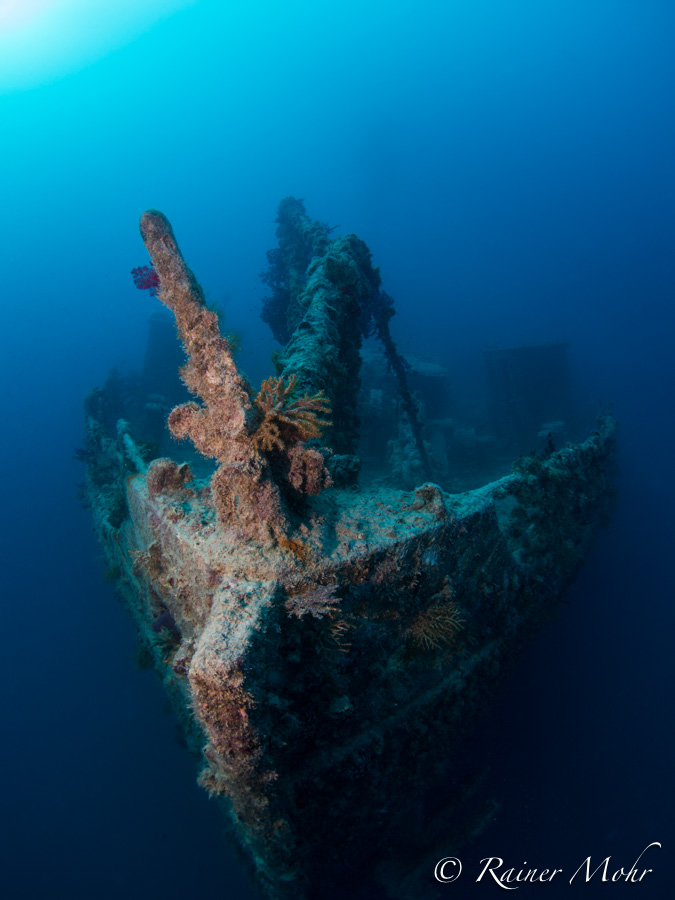
The wreck of the Rosalie Moller lies on the seabed, its bow and superstructure heavily encrusted with corals and other marine organisms. The metal structures are still clearly recognisable and have developed into an artificial reef providing habitat for various species.
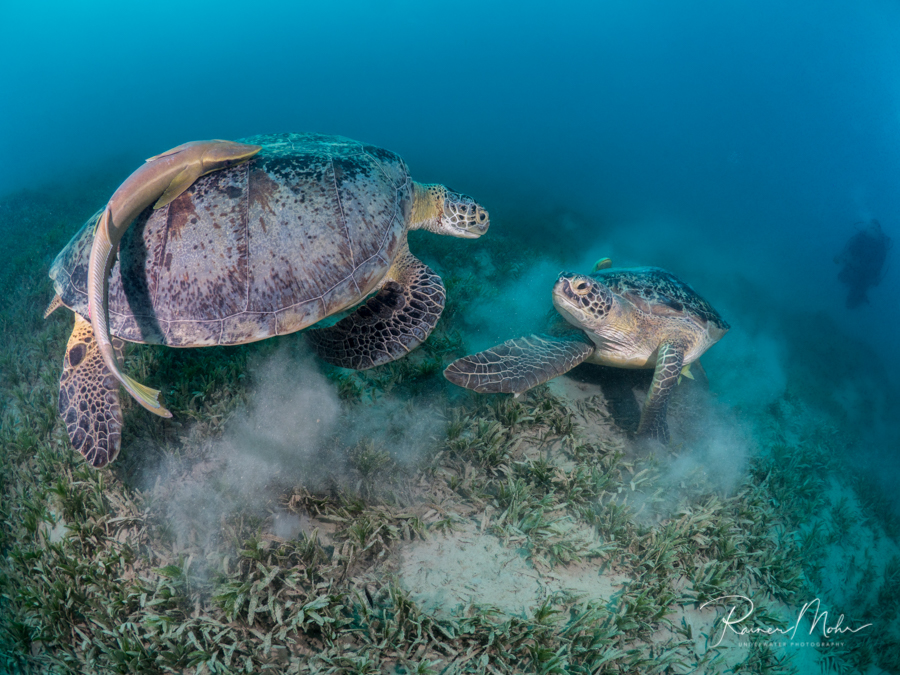
Two green sea turtles graze on a seagrass meadow, stirring up sand and sediment. The larger turtle in the foreground and a smaller one in the background display typical feeding behaviour in their natural habitat.
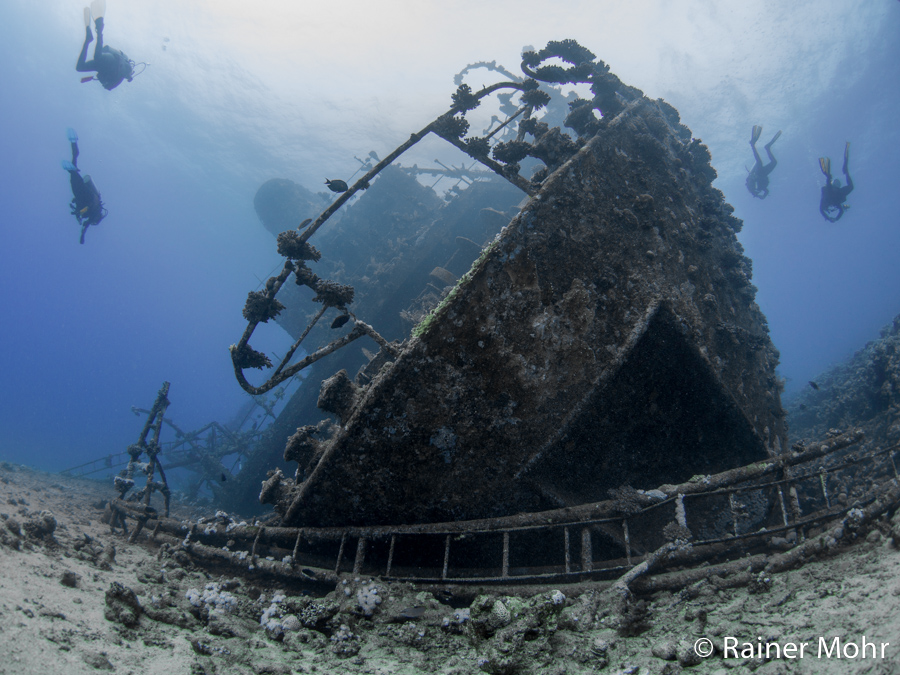
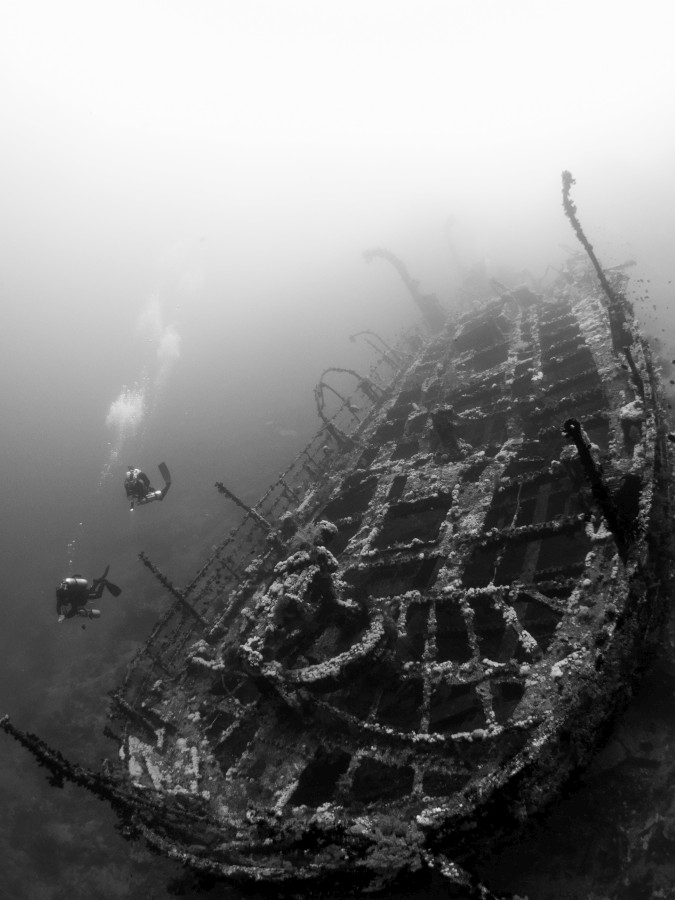
The wreck of the Giannis D at the Abu Nuhas reef in the Red Sea lies tilted on the seabed while several divers explore the imposing wreck. The ship is already heavily colonised by marine organisms and shows clear signs of corrosion, though the superstructure and railings remain recognisable.
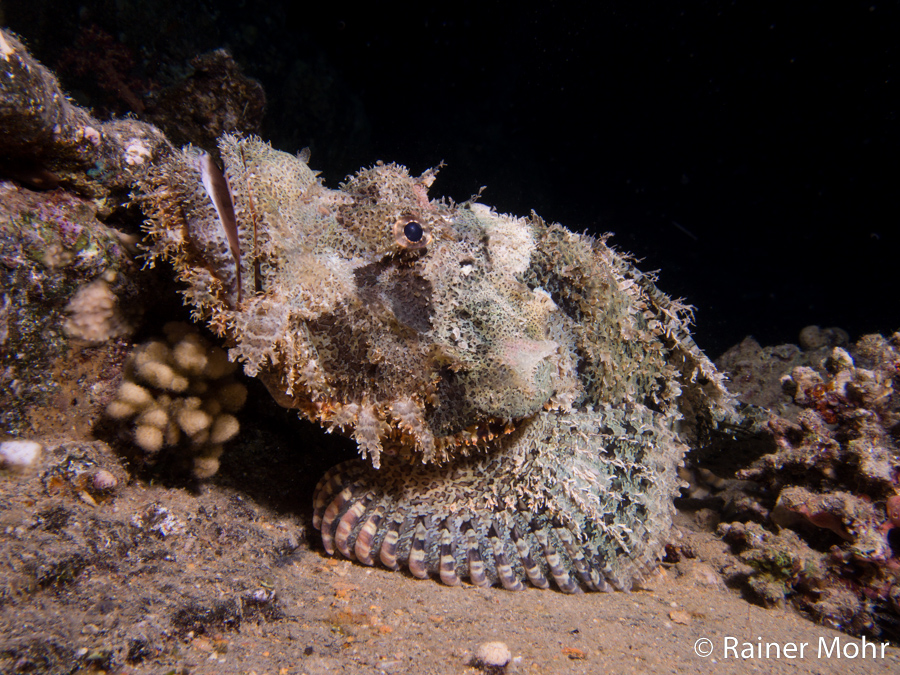
A perfectly camouflaged fringed devilfish rests on the seabed among corals, displaying its impressive adaptability. The body is covered with numerous skin projections, causing it to blend perfectly with the corals and rubble.
The wreck of the Giannis D lies on a sandy seabed at the Abu Nuhas reef, heavily encrusted with corals and marine organisms. Several divers explore the wreck in the blue depths while colourful corals in the foreground complete the underwater landscape.
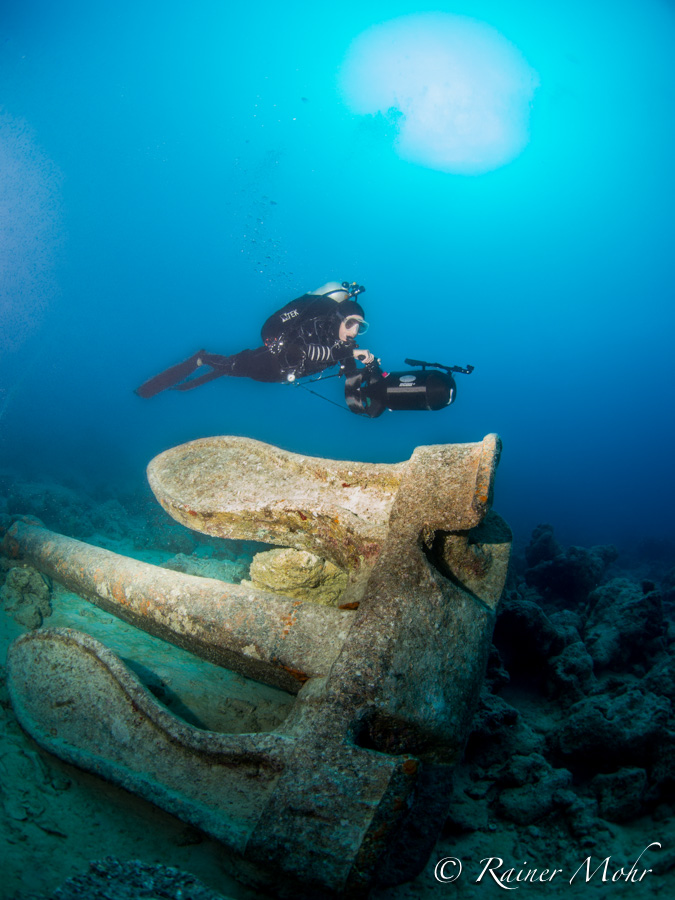
A female diver with a scooter explores the forward anchor of the SS Thistlegorm, lying about 25 metres in front of the wreck.
An impressive wreck lies on the seabed, heavily covered with corals and marine growth. Two divers explore the historic shipwreck in the hazy underwater landscape, with the silhouette of the wreck clearly recognisable with its characteristic superstructure and railing.
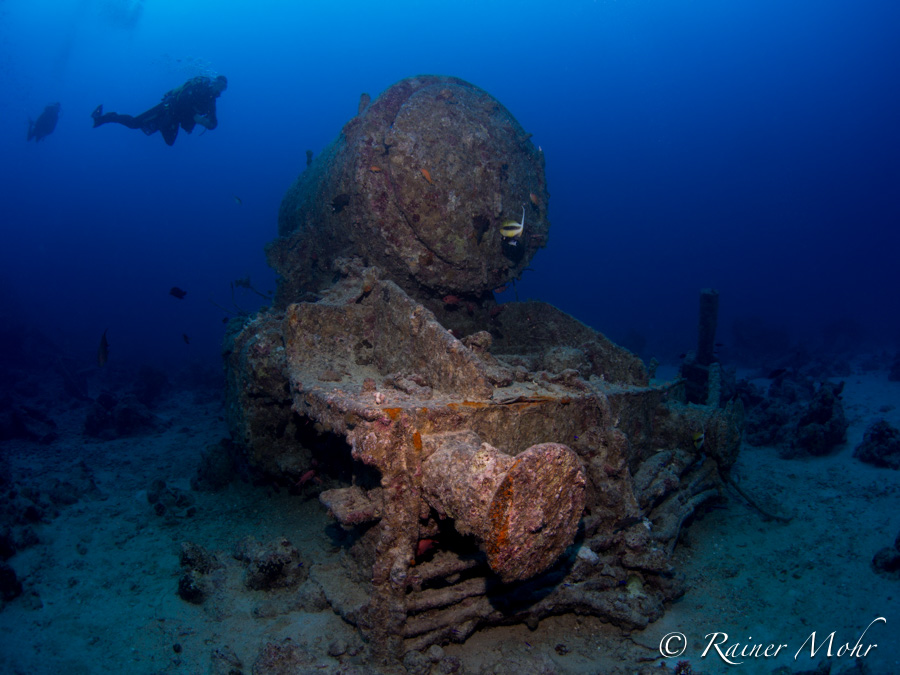
A locomotive lies on the seabed, colonised by marine organisms and covered with a patina. The locomotive was blasted from the deck of the SS Thistlegorm by the explosion following a bomb hit. In the blue water a diver hovers, exploring this majestic scene and capturing the peaceful atmosphere of this sunken locomotive.
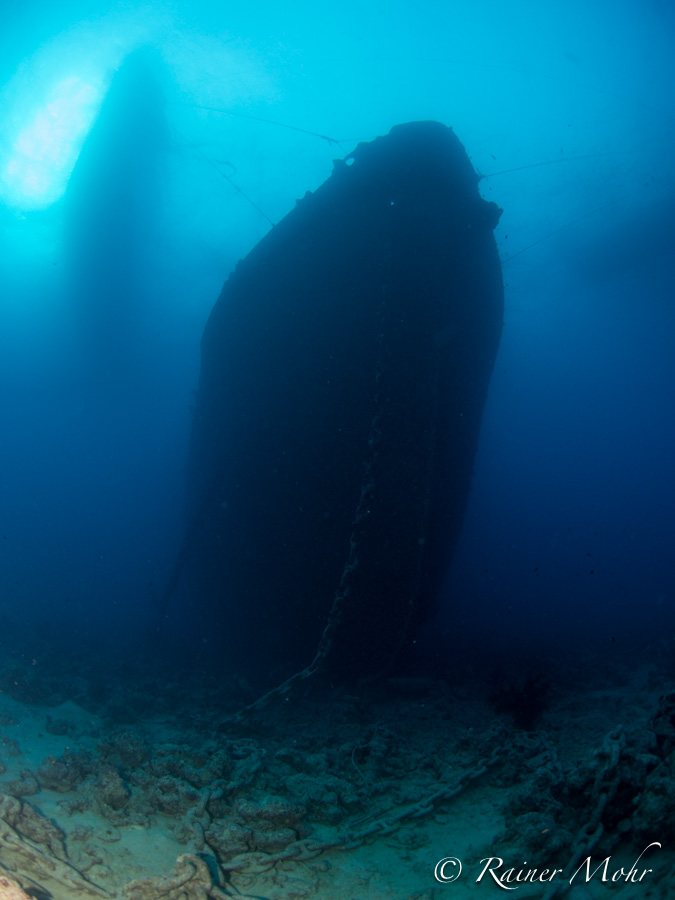
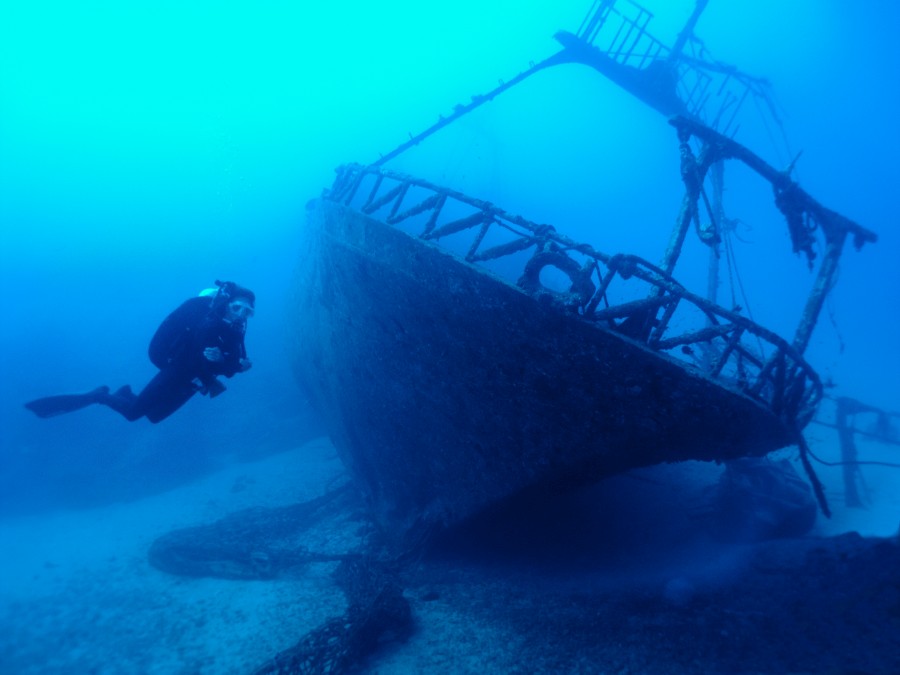
An imposing underwater wreck rises as a dark silhouette against the blue sea water. The dramatic shot shows the bow of the sunken ship viewed from the seabed, with sun rays penetrating the water and creating a mystical atmosphere.
A diver explores a large shipwreck lying on the seabed. The wreck shows clearly visible superstructure and structures, while the diver serves as a scale reference, illustrating the imposing dimensions of the sunken vessel.
A diver explores a heavily colonised shipwreck on the seabed. The wreck is completely covered with colourful corals, sponges and other marine organisms, showing it has served as an artificial reef for some time.
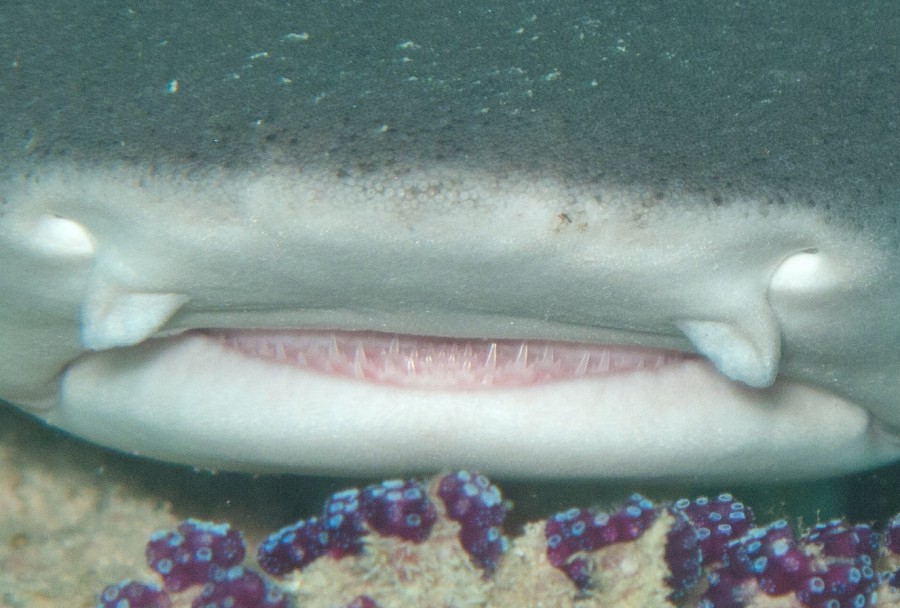
A close-up of the mouth of a young whitetip shark. The small teeth are clearly visible.
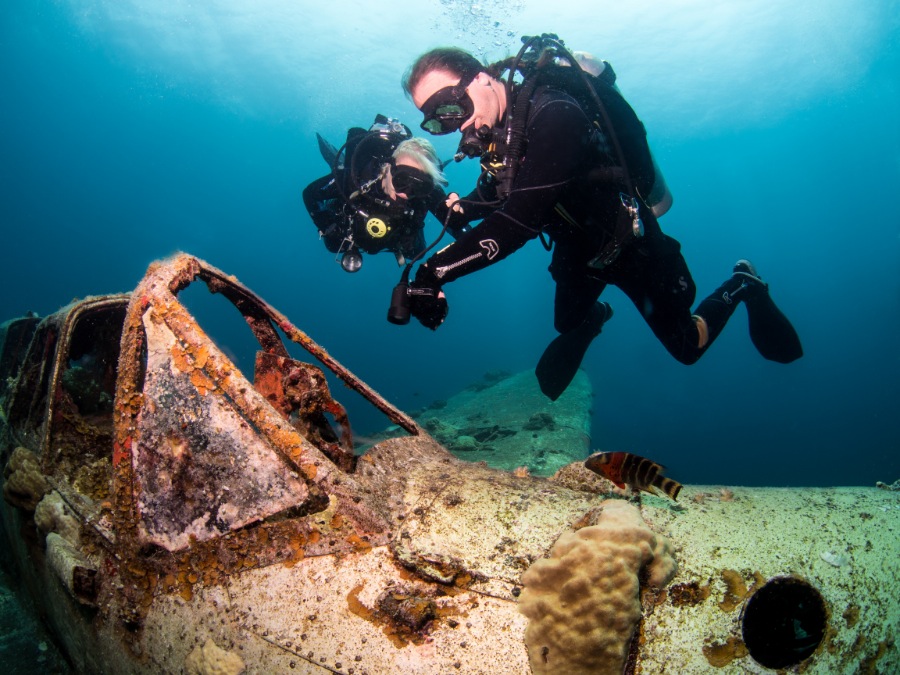
Two divers with cameras explore a heavily colonised wreck on the seabed. The aircraft wreck is covered with corals and other marine organisms and provides habitat for various reef animals visible among the rusty structures.
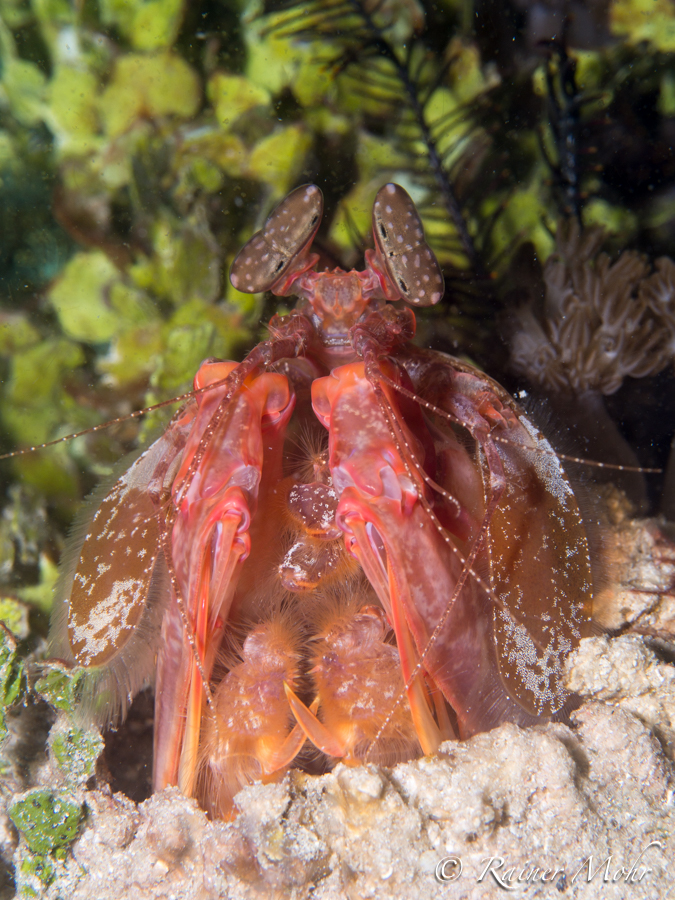
A spearing mantis shrimp sits in its sandy burrow, waiting in ambush for unwary passing prey. The striking compound eyes are clearly visible.
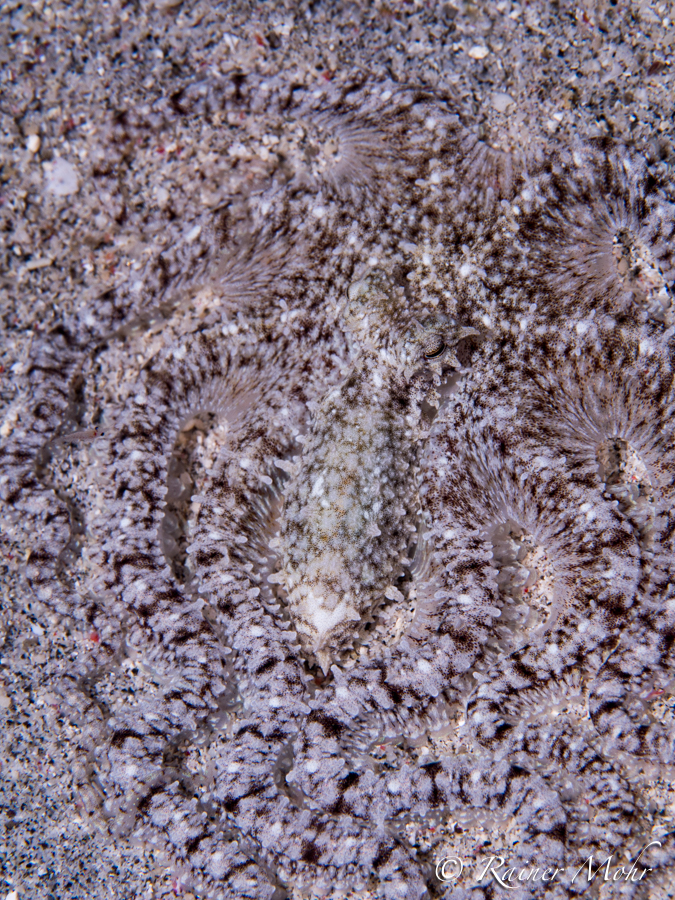
A masterfully camouflaged octopus lies motionlessly on the sandy seafloor. The body shape and perfect adaptation to the sediment colour make the animal nearly invisible — an impressive example of camouflage in the underwater world.
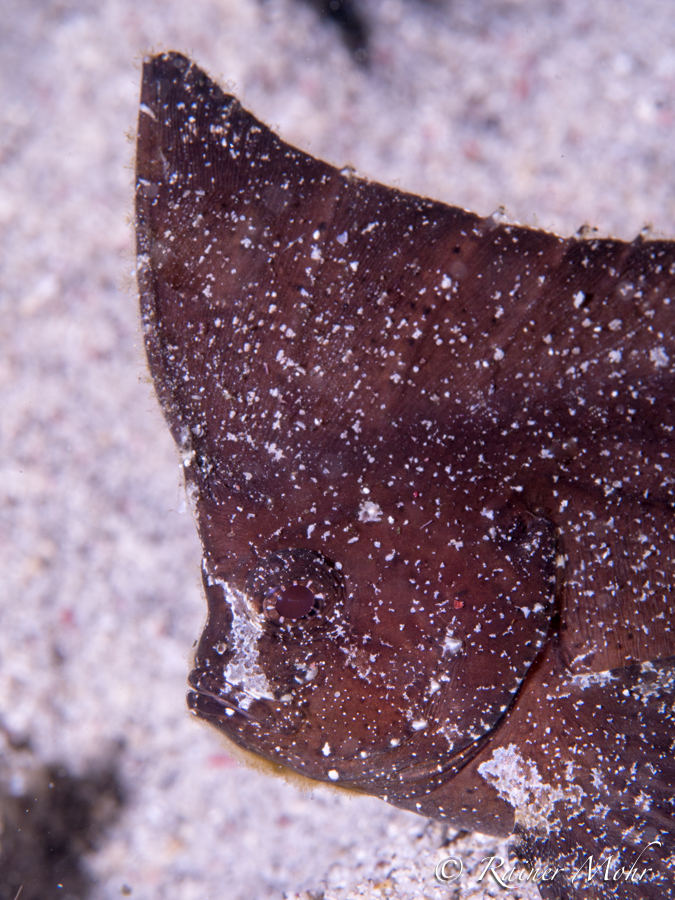
A dark cockatoo waspfish (Ablabys taenianotus) lies perfectly camouflaged on the sandy seafloor. The brown colouration with characteristic white dots and patches provides excellent camouflage in the sand.
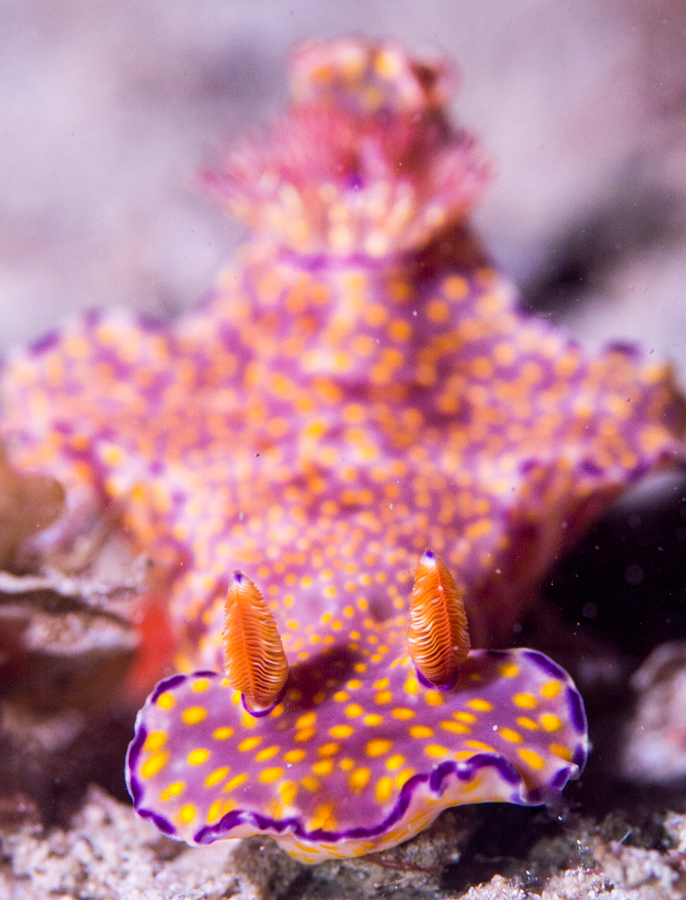
A colourful nudibranch with a vivid violet base colouration and yellow dots rests on the seafloor. The characteristic orange rhinophores and the undulating body shape are clearly recognisable, while further specimens of the same species are blurred in the background.
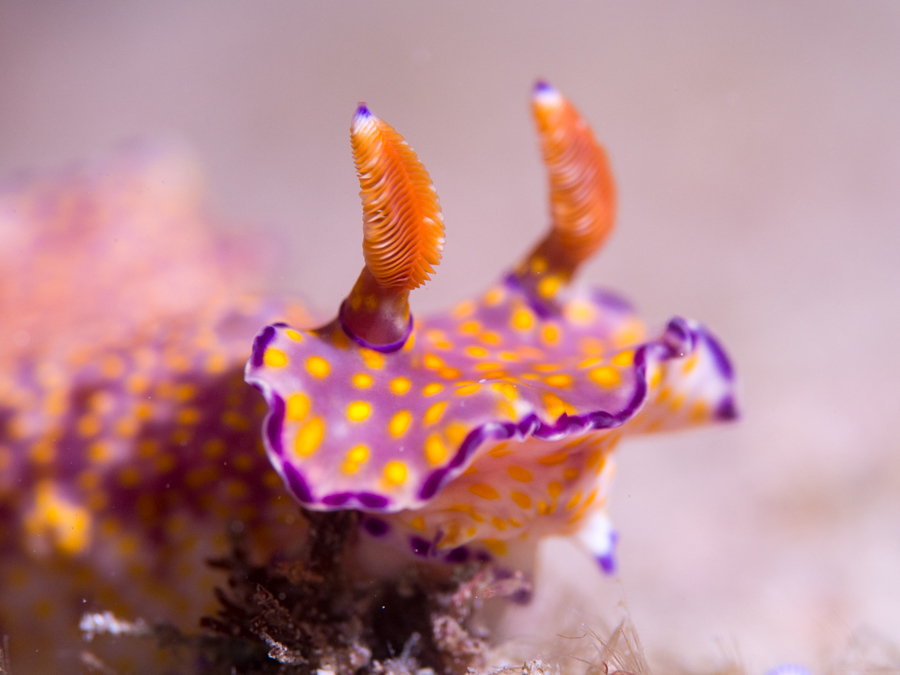
A beautiful chromodoris nudibranch with vivid yellow-orange spots on a violet body and characteristic orange-red rhinophores (scent organs) crawls across the seafloor. The striking colouration and typical spot pattern make this nudibranch a popular subject for macro photographers.
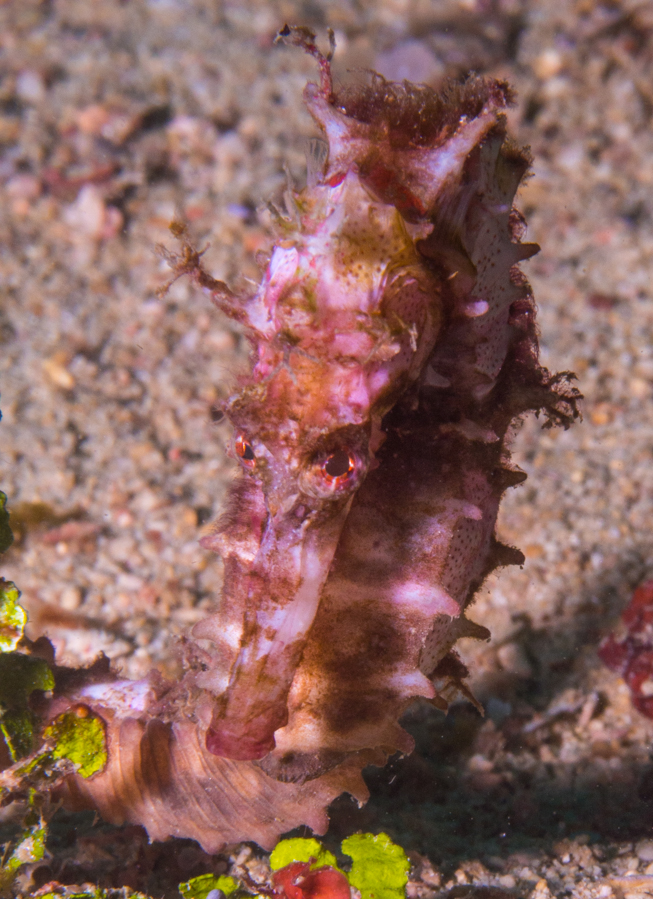
A well-camouflaged seahorse sits on the sandy seafloor. The characteristic skin-like appendages in pink-brownish tones help it blend with its surroundings and remain perfectly concealed.
A Tozeuma shrimp (Tozeuma armatum), also known as the slender shrimp or arrow shrimp.
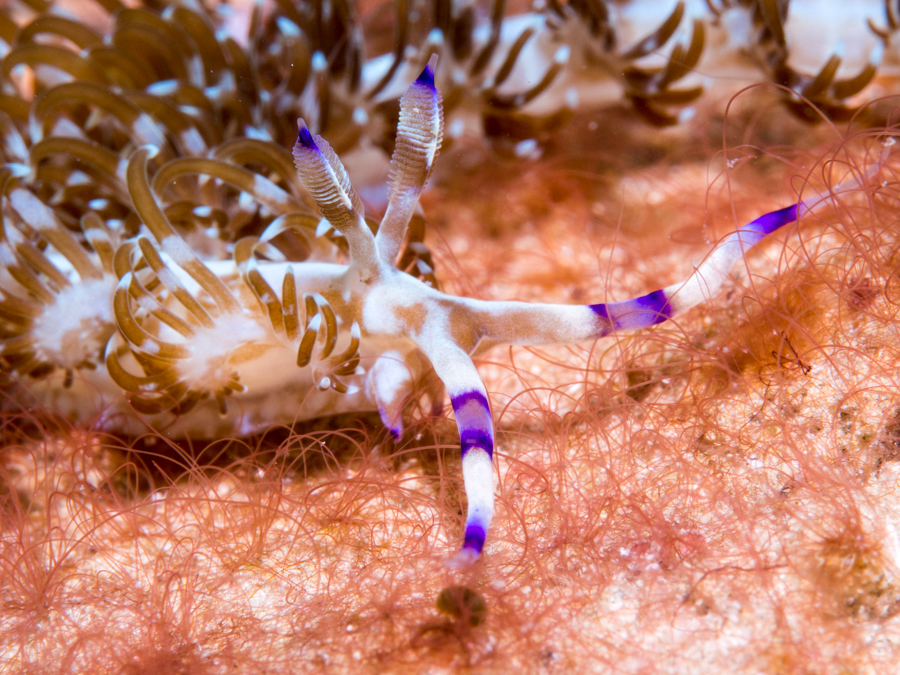
A thecacera nudibranch with characteristic violet bands on its tentacles and body crawls across the sandy seafloor among seagrass and algae. The elegant sea slug displays its typical dorsal gill appendages and striking rhinophores.
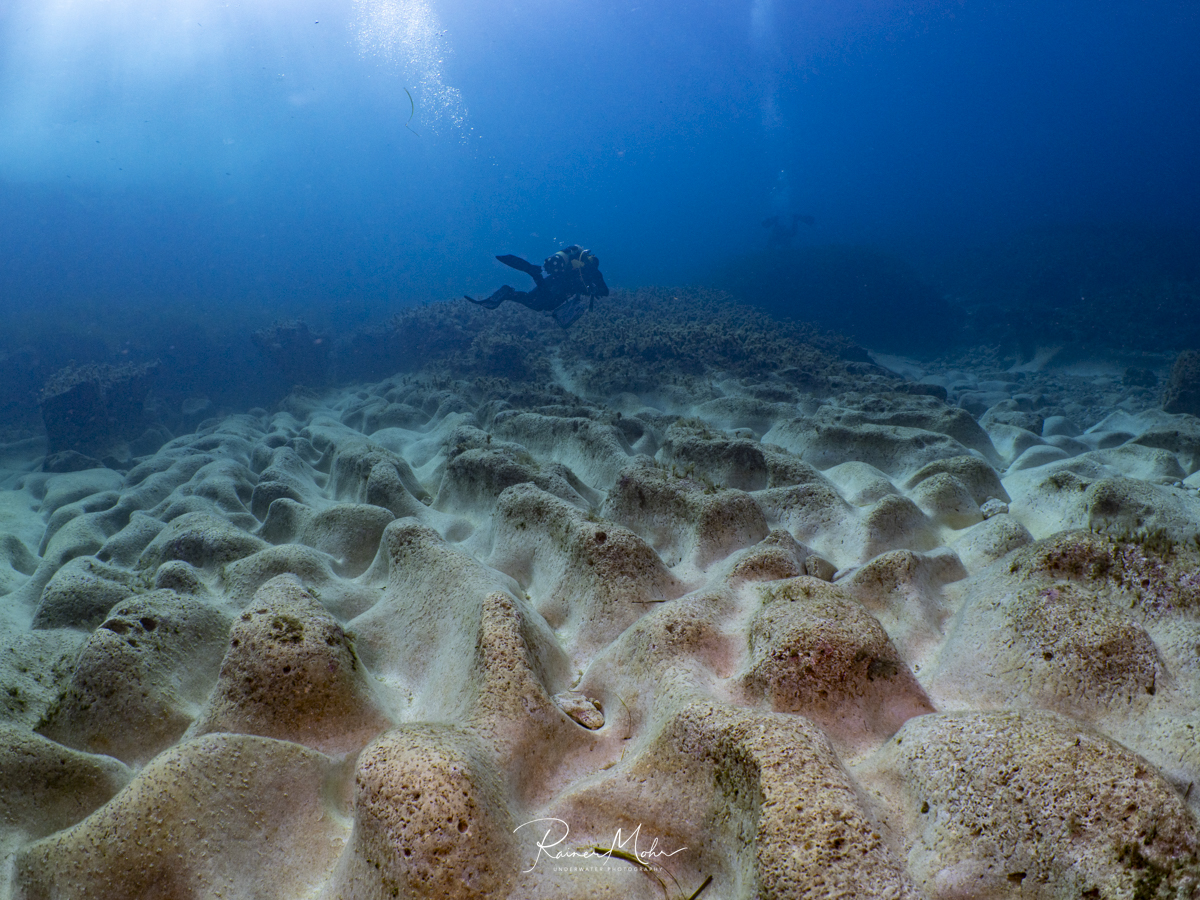
Impressively eroded rocky floor on Gozo, shaped over millennia by the current. A diver explores the scenery in the background.
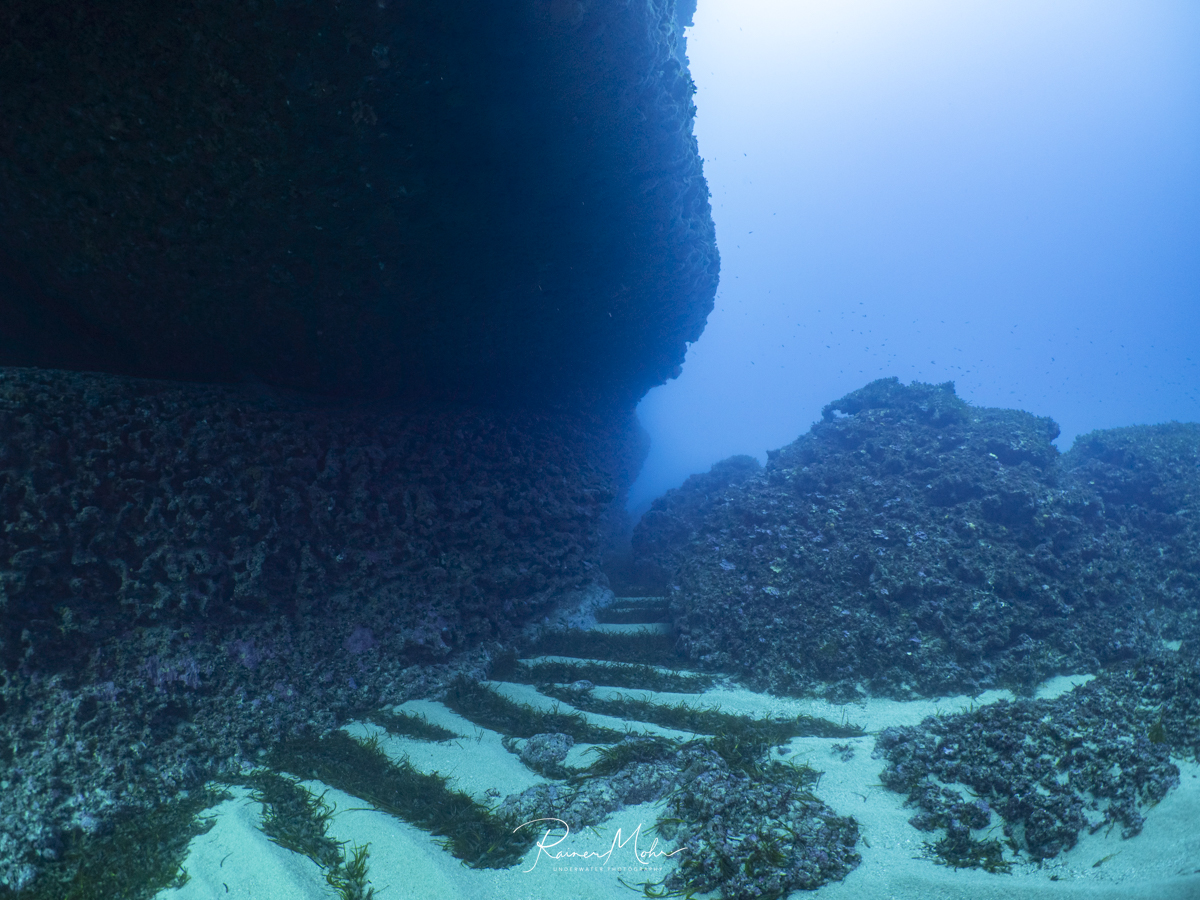
Step-shaped structures beside a rock wall covered with seagrass. This scene was photographed below the Double Arch on Gozo.
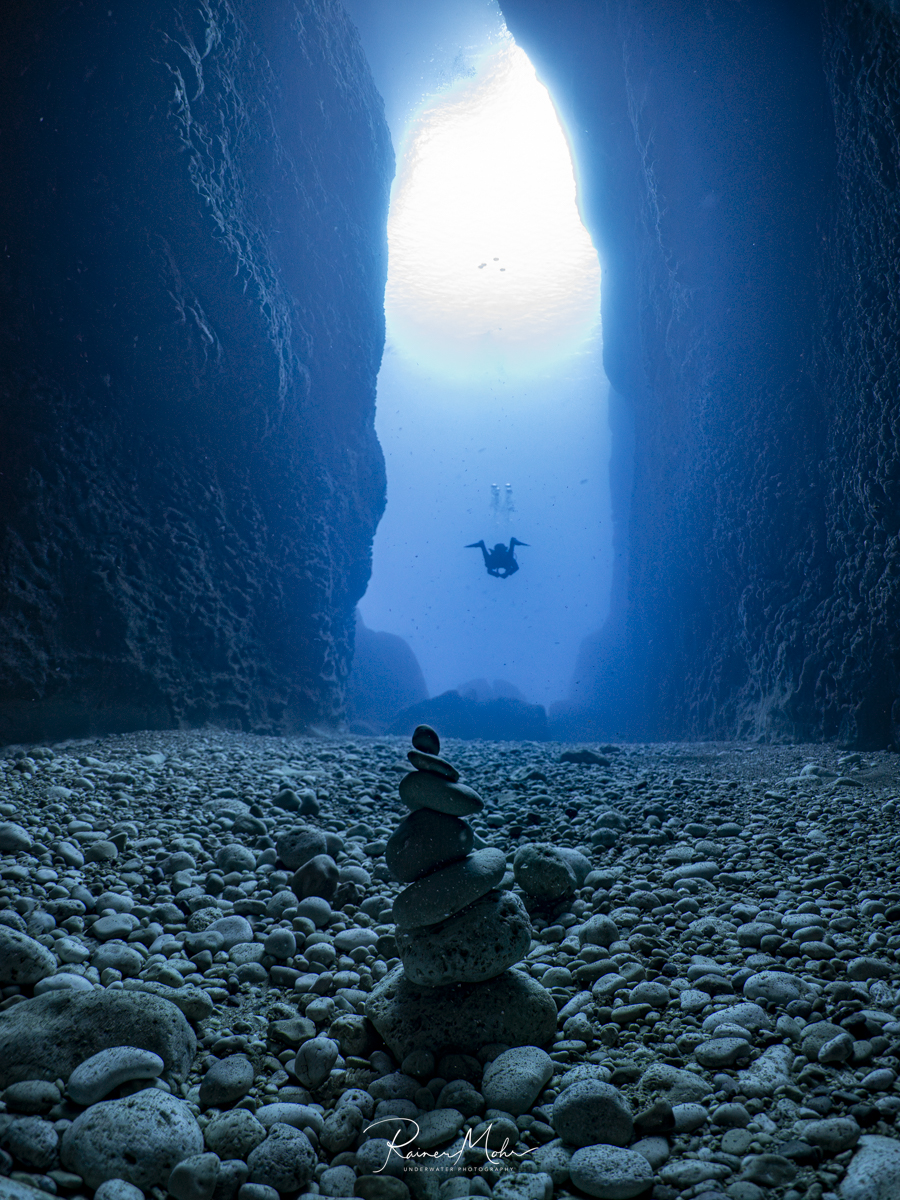
The impressive canyon that connects the Inland Sea on Gozo with the open ocean. A small tower of stones has been stacked by another diver.