Tag: Sea Horse

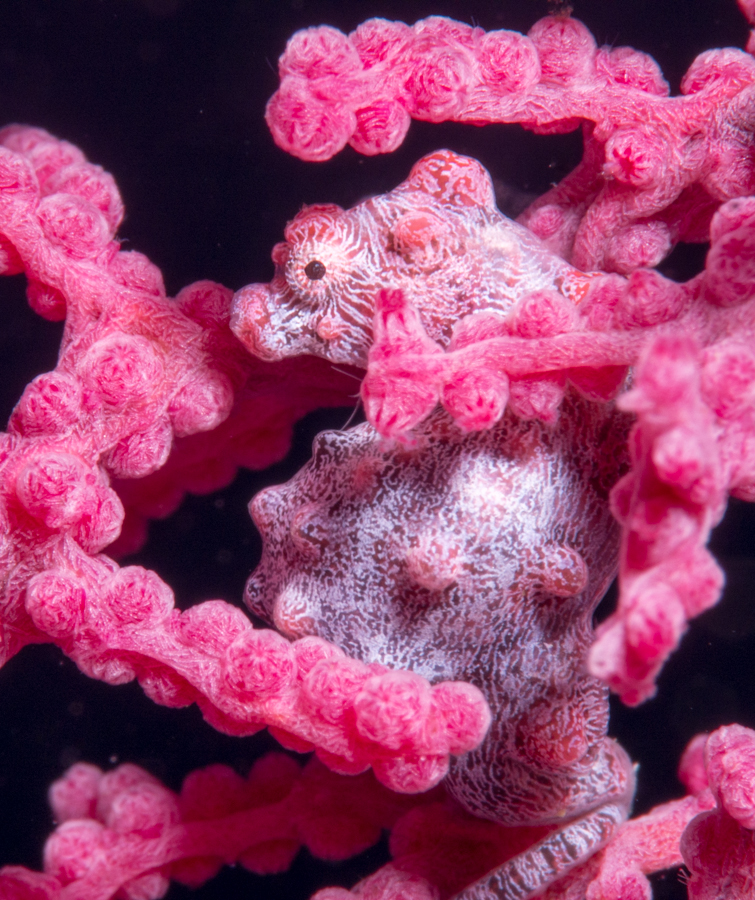
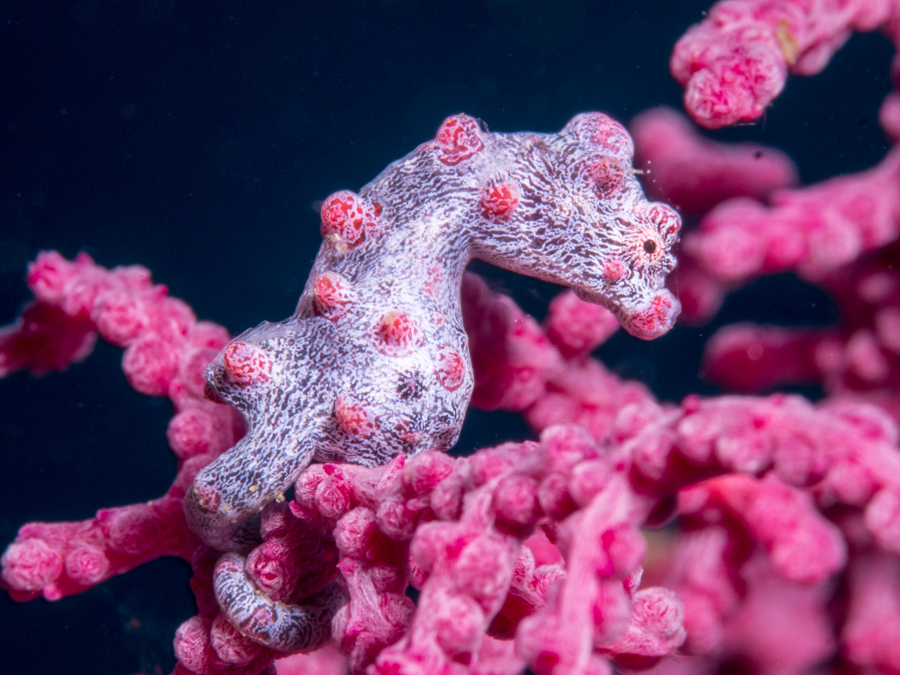
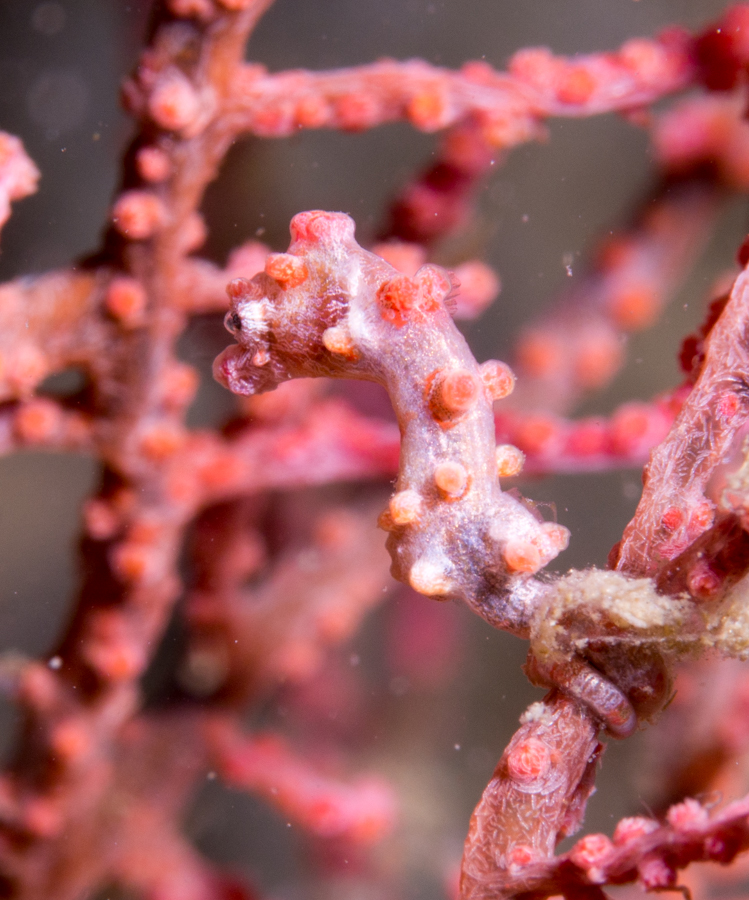
A pink-reddish pygmy seahorse (approx. 1 cm) sits in its host coral.
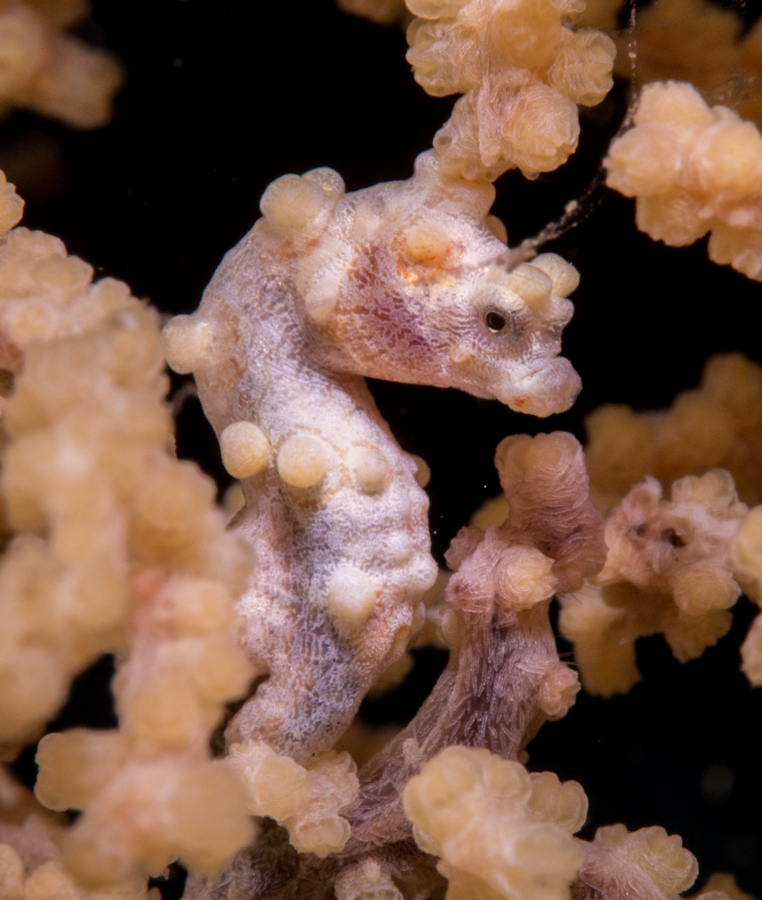
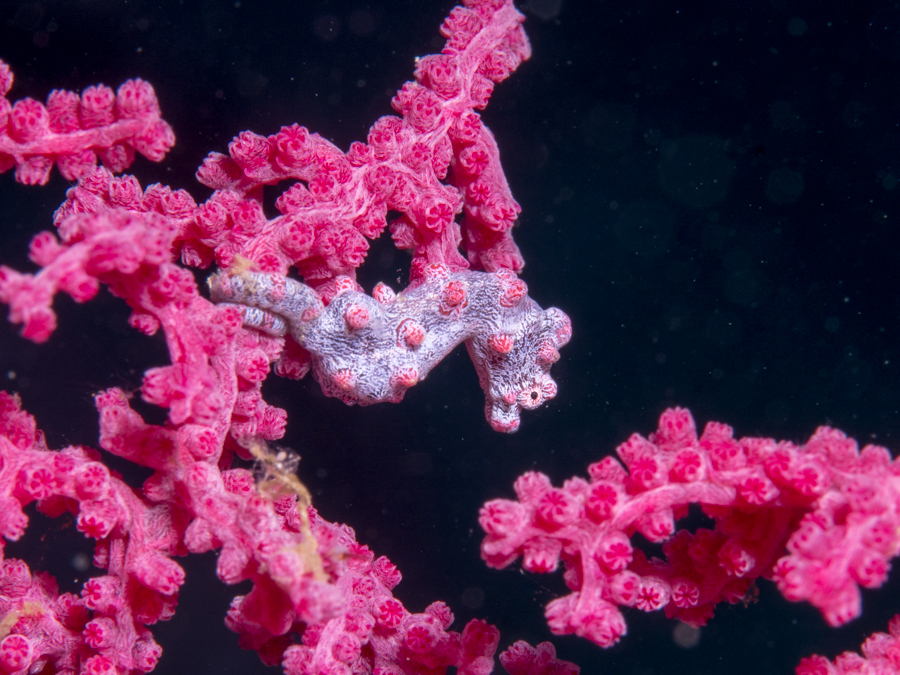
A dwarf seahorse hides perfectly camouflaged among the pink polyps of a soft coral. The tiny seahorse shows a remarkable adaptation to its surroundings and demonstrates its ability to blend into the coral structure.
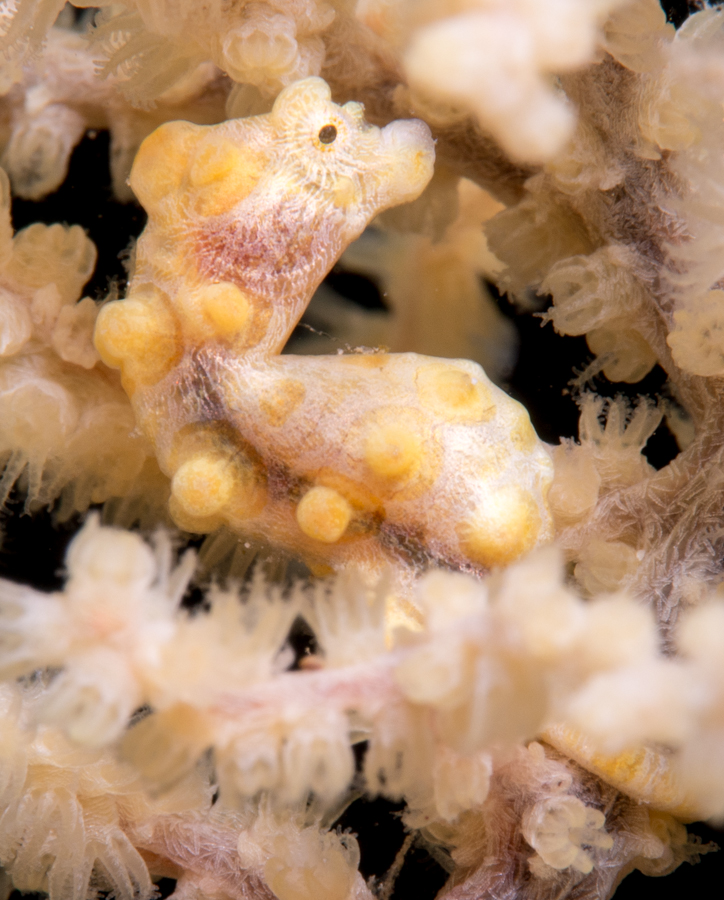
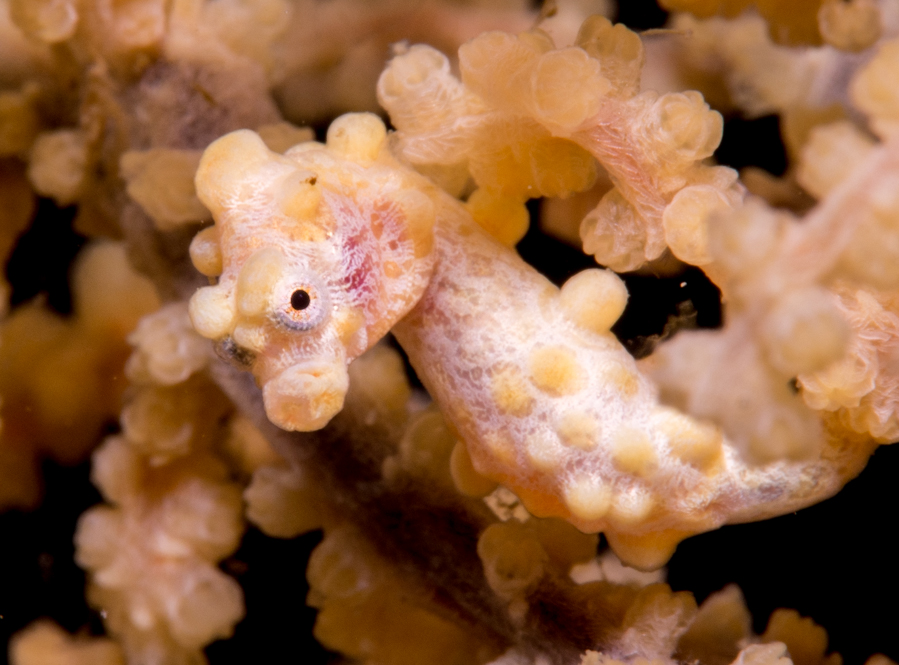
A pygmy seahorse hides perfectly camouflaged among the polyps of a gorgonian. The tiny animal displays the same yellowish-orange tones and knobbly skin projections as its host coral, demonstrating a remarkable adaptation to its habitat.
A seahorse in magnificent pink-violet colouration with characteristic red spots on a light background. The animals display the typical upright posture and are surrounded by growth, indicating perfect camouflage in their habitat.
A perfectly camouflaged pygmy seahorse hides among yellow host corals. The tiny animal uses its extraordinary camouflage ability, mimicking the colour and structure of the corals to become nearly invisible.
A beautiful seahorse with a pink-whitish base colouration and characteristic orange-red spot patterns clings with its prehensile tail to a coral. The detailed macro shot shows the typical behaviour of these fascinating fish, which like to anchor themselves to corals or other structures.
Two perfectly camouflaged pygmy seahorses hide among the yellow branches of their host corals. The tiny animals use their extraordinary camouflage ability, mimicking the colour and structure of the corals to become nearly invisible.
A tiny dwarf seahorse sits perfectly camouflaged among the pink polyps of a soft coral. The reddish skin appendages of the seahorse imitate the shape and colour of the coral polyps, providing nearly perfect concealment.
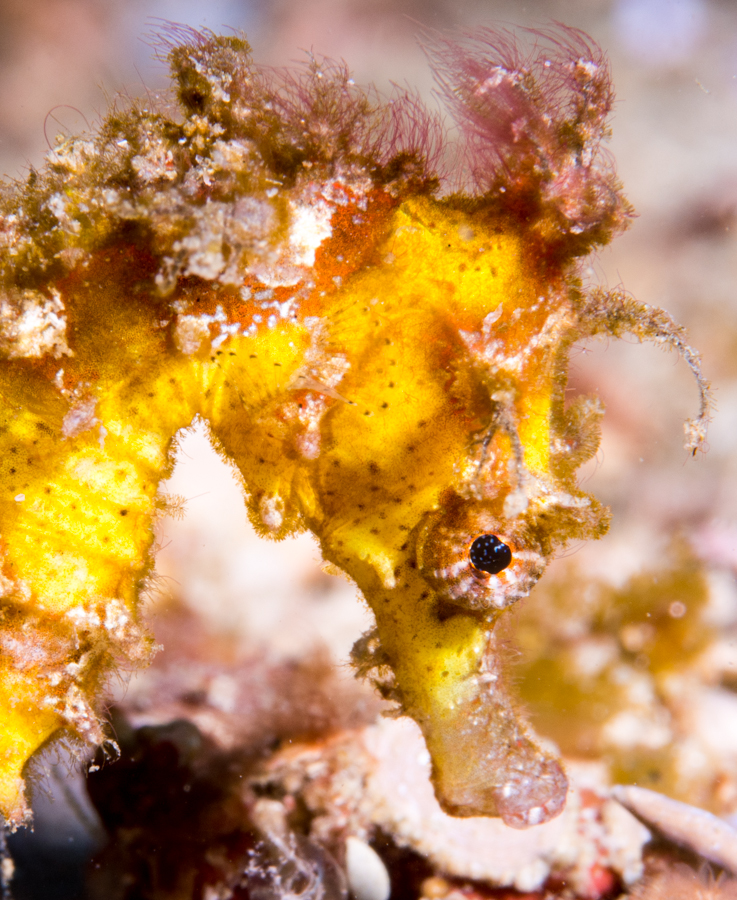
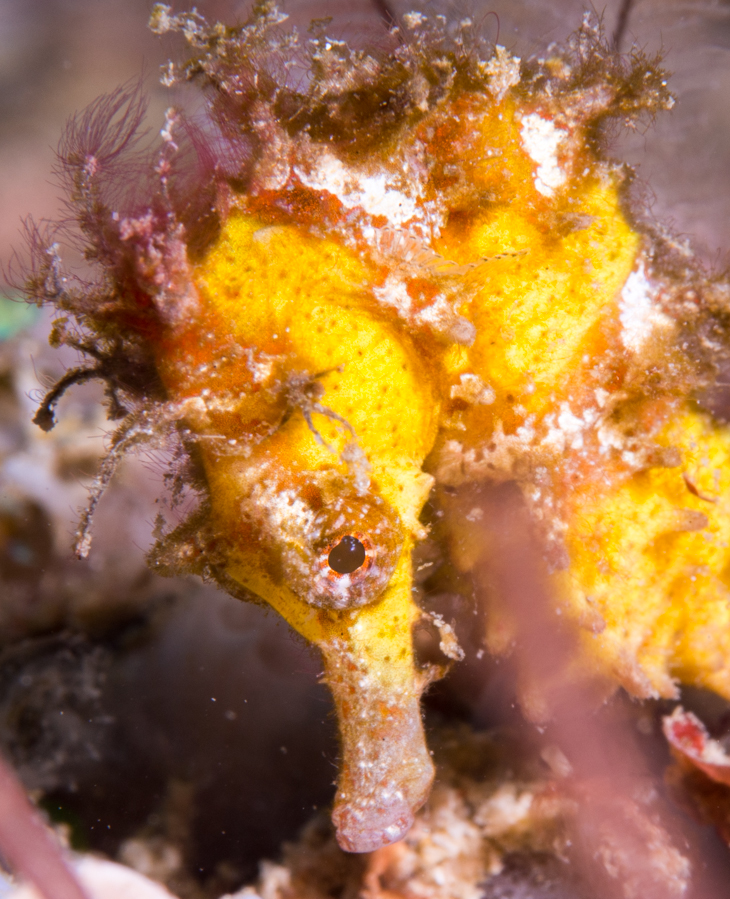
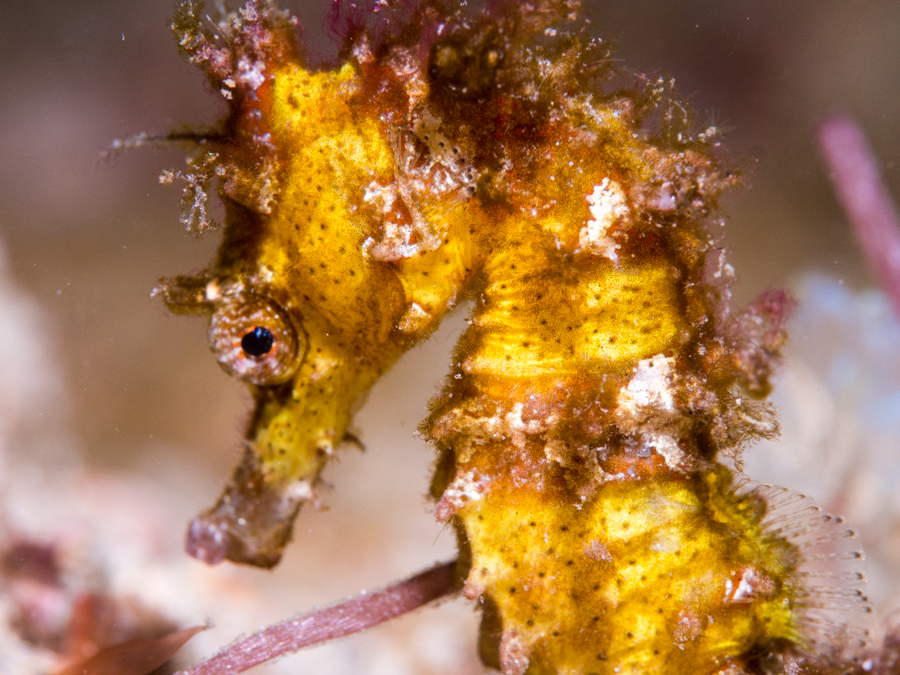
A yellow seahorse displays its perfect camouflage among corals and sponges. The characteristic black eye and algae-covered skin make the extraordinary adaptability of these small reef dwellers clearly visible.
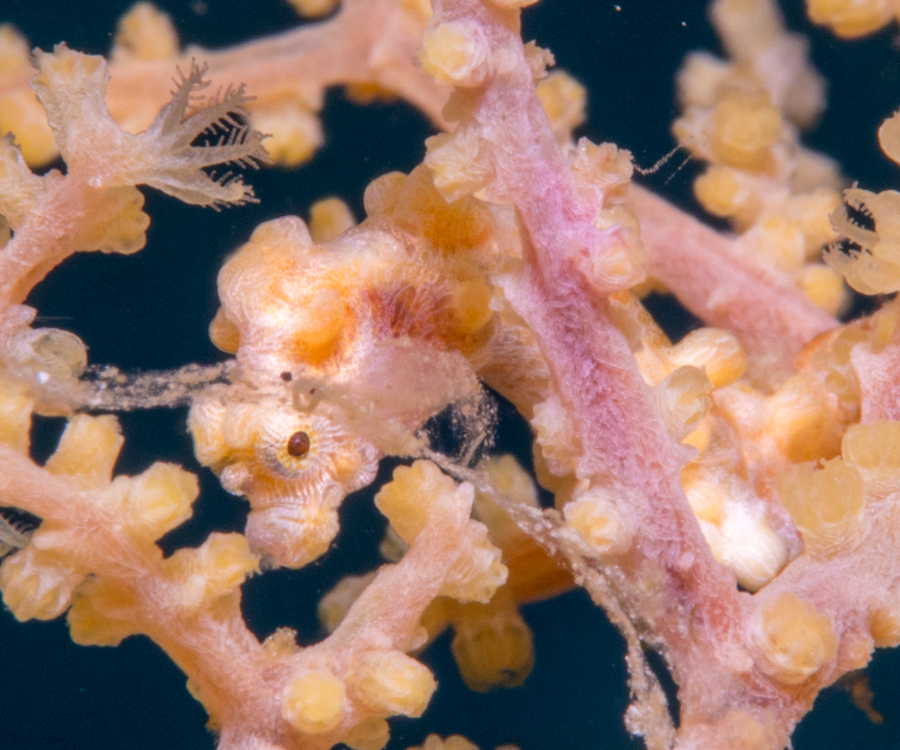
A yellow pygmy seahorse in its host coral. The tiny seahorse mimics the colour and structure of its host coral to achieve the best possible camouflage.
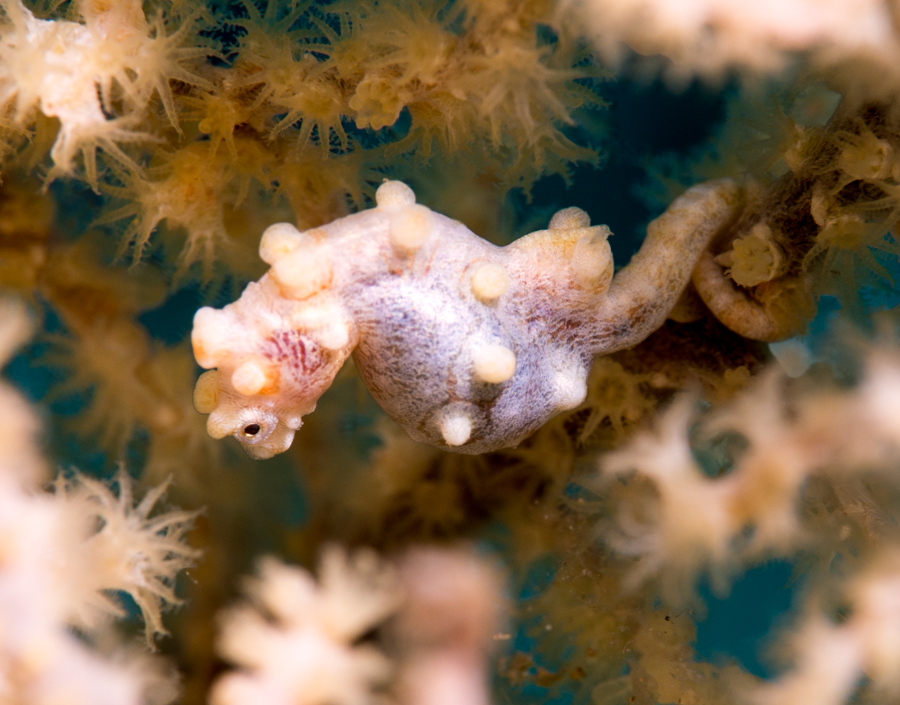
A pygmy seahorse hides perfectly camouflaged among the polyps of a soft coral. The pink-orange colouration and warty skin protrusions of the tiny seahorse adapt ideally to its coral habitat, making it nearly invisible.
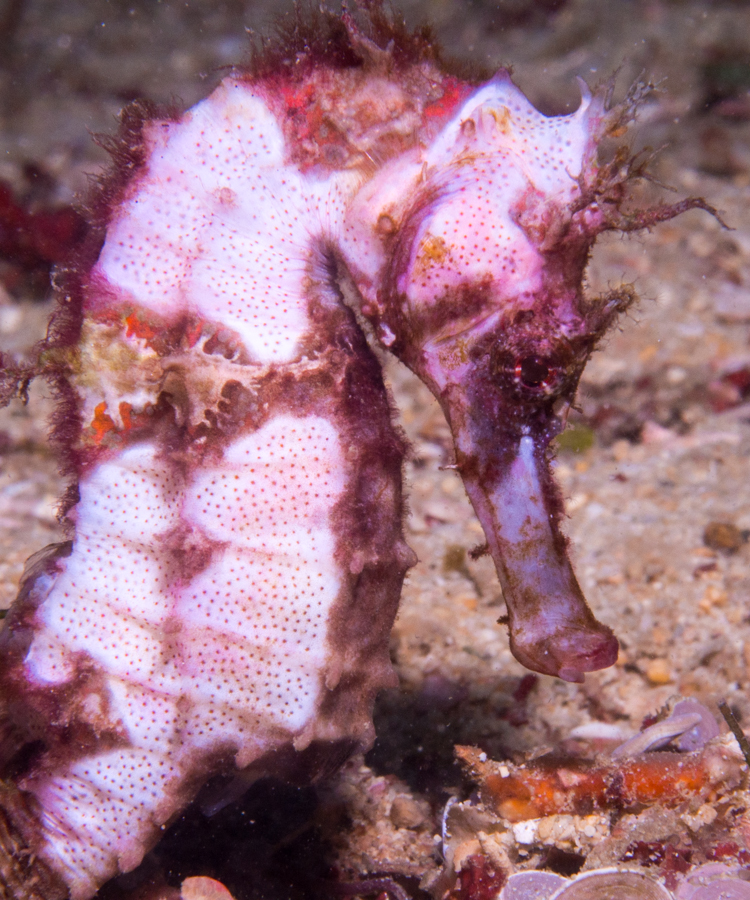
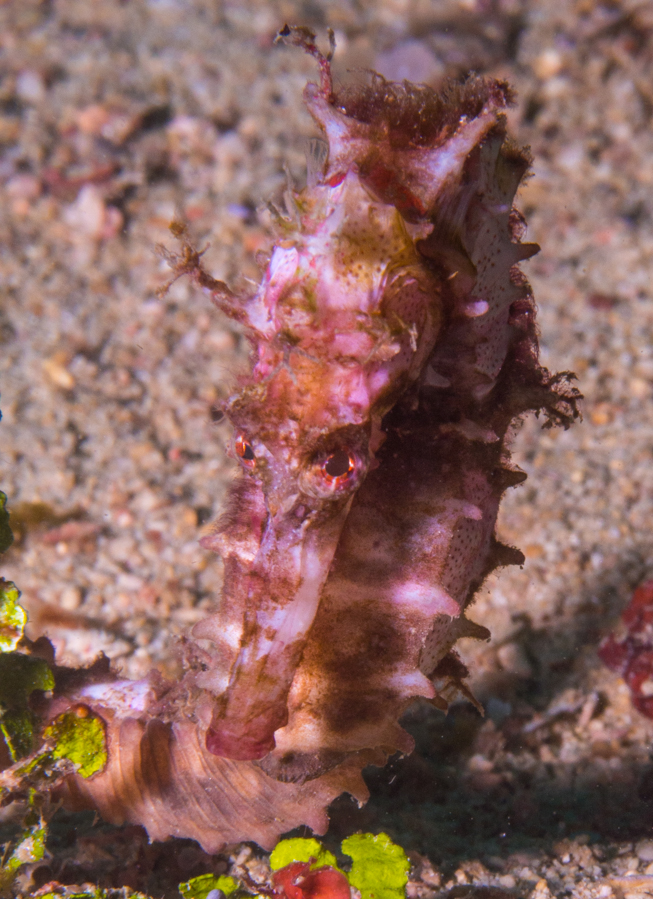
A seahorse with characteristic skin appendages and reddish-brown colouration rests on the sandy seafloor. The well-developed skin growths serve as perfect camouflage, allowing the animal to blend with algae and coral encrustation.
A vivid yellow seahorse with characteristic skin appendages for camouflage clings to a coral or other substrate. The animal displays the typical curved body posture and distinctive prehensile tail of seahorses.
A dwarf seahorse hides perfectly camouflaged among the polyps of a soft coral. The pink-orange colouration of the seahorse matches the surrounding coral polyps almost perfectly, creating impressive camouflage.
A well-camouflaged seahorse sits on the sandy seafloor. The characteristic skin-like appendages in pink-brownish tones help it blend with its surroundings and remain perfectly concealed.
A yellow seahorse with characteristic skin appendages and encrustation clings with its prehensile tail to a coral branch. The detailed macro shot clearly shows the distinctive eye and typical body posture of the animal.
A tiny pygmy seahorse sits perfectly camouflaged on a red coral branch. The animal, only a few centimetres long, shows an impressive adaptation to its surroundings with skin-like protrusions and a reddish colouration that makes it nearly invisible.
A pygmy seahorse camouflages itself perfectly among the vivid pink branches of its host coral. The elongated fish with its characteristic short snout and skin-like appendages blends almost completely with its coral surroundings.